
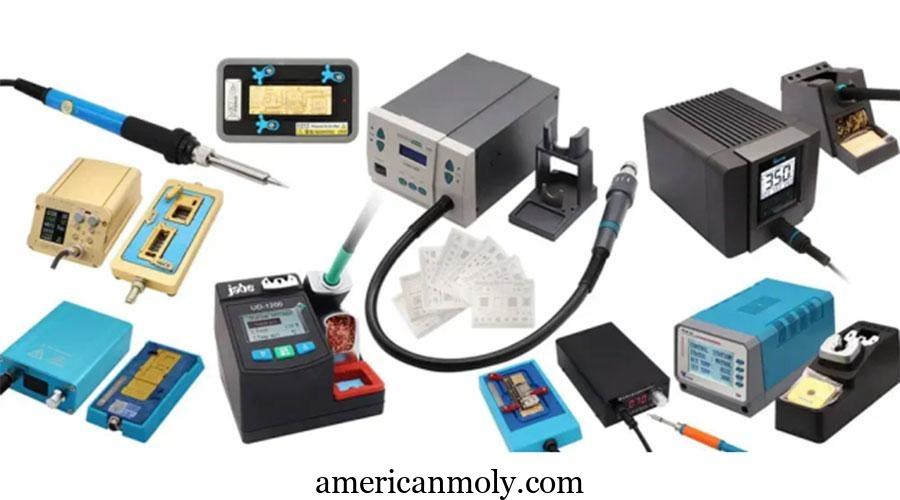
When working on cell phones, repairs, or DIY circuits, choosing a high-quality benchtop soldering station can significantly enhance efficiency and precision. A stable soldering environment ensures smooth, rounded joints, reduces errors, and protects sensitive components from thermal damage. Many beginners start with a basic soldering iron but quickly find that uneven heat leads to cold solder joints or damaged PCBs. Professional stations provide controlled heat, offering the accuracy required for detailed work.
What Makes a Desktop Soldering Station Different
A Intelligent soldering station is more than a heating tool; it is a precision closed-loop control system. Using a standalone base unit, it provides real-time power regulation to convert electricity into precisely controlled thermal energy. This design allows technicians to adjust heat based on the specific task. Its primary advantage is thermal stability. Sensors located at the tip of the heating element monitor temperature compensation needs instantly, ensuring minimal fluctuations when the tip contacts a joint—critical for protecting fragile components like logic chips.
Key Things to Look For Before Buying
When selecting the best soldering station for desktop, you should focus on practical performance rather than extra features.
Stable Temperature Control
A good station should maintain a steady temperature without fluctuations. This ensures smooth solder flow and strong connections.
Fast Heating Response
When working on large joints on multi-layer boards, a high-power heating element should recover temperature within 2–3 seconds to prevent cold joints or operational delays.
ESD-Safe Design
Safety is vital in precision electronics. The base and handle must have reliable grounding to prevent induced static from damaging integrated circuits.
Comfortable Handling
The iron handle should be lightweight with excellent thermal insulation to reduce hand fatigue during long sessions of BGA jumper wiring or manual soldering.
Replaceable Tips
Different tasks require knife, needle, or conical tips. Systems that support “plug-and-play” tips with high heat transfer efficiency are a significant advantage for professional work.
Types of Soldering Stations You Can Choose
Basic Analog Stations
These use a dial for adjustment and are simple and cost-effective. While they lack precise degree feedback, their stable power output is sufficient for home appliance repair or basic education.
Digital Soldering Stations
The standard for modern workshops. Equipped with LED or LCD screens, they support preset temperatures and auto-sleep functions, making them ideal for smartphone logic board soldering.
Advanced Repair Stations
These combine a high-power heat gun, soldering iron, and sometimes a desoldering pump. They are designed for high-density PCB desoldering, chip reballing, and industrial-grade repair workflows.
Target Users
The soldering stations are suitable for:
- Electronics enthusiasts
- Cell phone and laptop repair technicians
- PCB designers and engineers
- DIY makers
- Electronics students
No matter your skill level, using the best soldering station for desktop improves both quality and confidence in your work.
Summary
Choosing the right Cell phone repair tool isn’t necessarily about buying the most expensive option; it’s about finding a device that offers stability, safety, and reliability. The ideal benchtop station should align with your workflow and provide consistent performance. With the right choice, soldering becomes cleaner, faster, and more professional.










Leave a Reply