
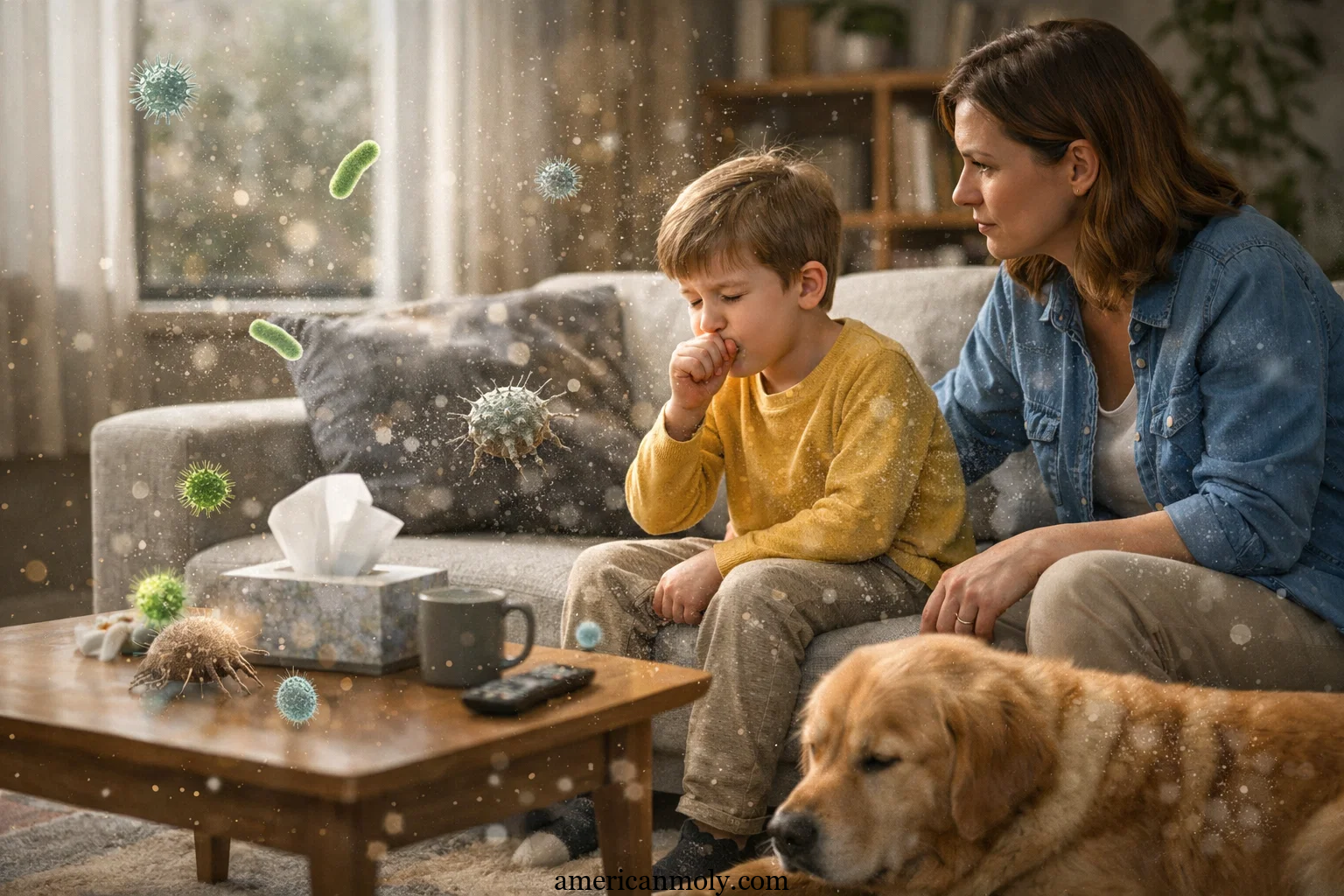
An apparent clean surface is not necessarily a clean surface. Dangerous microorganisms such as bacteria, fungi, and dust mites are able to survive – and reproduce – on countertops, carpets, and upholstery up to days. This is because of these invisible dangers which cause a broad spectrum of health effects, including respiratory irritation, skin rash and chronic fatigue.
Children and the elderly are particularly susceptible since their bodies are either in development of their immune system or are inherently weak. Pets too can bear external allergens and transfer them onto your furniture and floors. Without a detail and regular House Cleaning in Melbourne, your house is more of a place where illnesses are being cultivat than a spot where they can rest and recuperate.
Common Areas Where Germs and Allergens Are Found
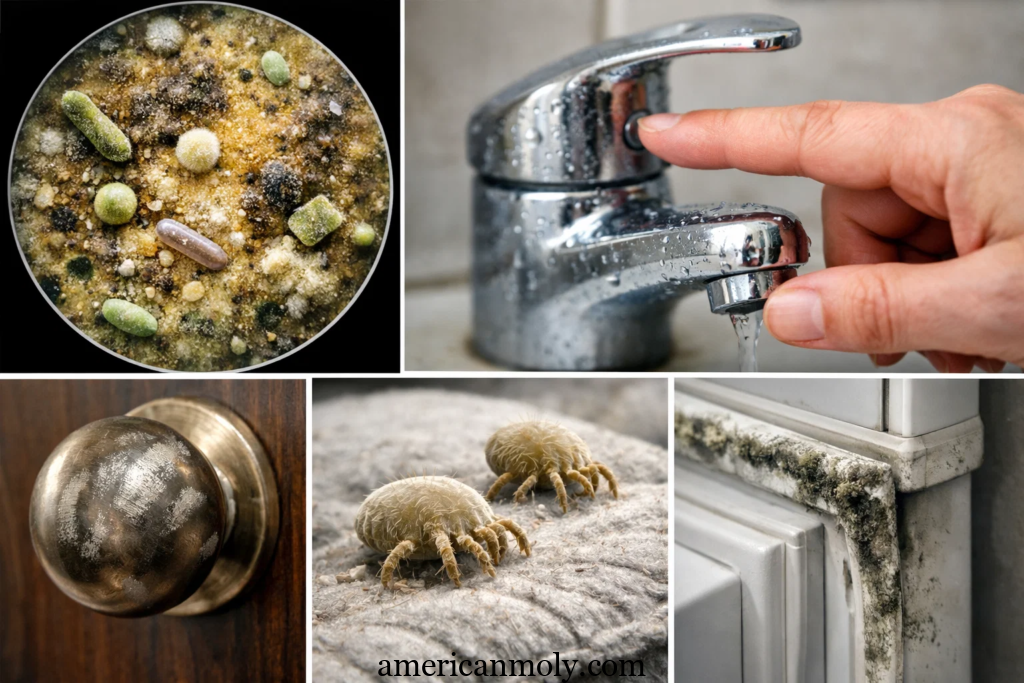
The same neglected areas within the family homes are always indicat by health experts and cleaning professionals. The growth of harmful particles on these surfaces is much faster than what most homeowners are aware of:
- Kitchen sponges and dishcloths among the most bacteria-laden items in any home
- Bathroom faucet handles and toilet flush buttons touched constantly but rarely disinfected
- Doorknobs and light switches high-touch surfaces that spread germs between family members
- Refrigerator seals and drip trays common breeding grounds for mold and mildew
- Bedroom pillows and mattresses filled with dust mites that trigger asthma and allergies
Ignoring these areas, even occasionally, allows contamination to compound steadily over time. Cleaning professionals warn that a routine addressing only visible dirt is leaving families exposed to preventable health risks daily.
Indoor Air Quality Emerging as a Major Household Concern
Indoor air pollution is becoming a significant and underreported public health concern increasingly reported by health organisations. The poor ventilation and the presence of dust in carpets, curtains, and HVAC filter provide the environment with an unceasing circulation of allergens. Those who are at risk are families whose members experience asthma, hay fever or poor immunity.
Volatile organic compounds that are emitte by common cleaning products, paints, and furniture are also playing a role in deteriorating indoor air quality of residential homes. As short-term measures that can be taken by households to minimize exposure, experts suggest opening the windows regularly, changing air filters on time, and deep-cleaning soft furnishings.
Newly Built and Renovated Homes Raising Fresh Concerns
Increasing reports of families into newly constructed or recently refurbished properties are reporting health complaints soon after settling down. During construction, there is residual fine dust particles, chemical residues, silica and adhesive fumes that cannot be effectively remove by normal mopping and wiping. These particles implant themselves deep in the flooring, air ducts and wall cavities and gradually trickle through the living space.
According to industry experts, After-Builders Cleaning in Melbourne is not a luxury finishing and a needless health precaution to any post-construction building. Post-construction cleaning is a specialised exercise that employs industrial cleaning equipment to remove all construction debris to leave the home safe to occupants and not just appear clean on the surface.
Warning Signs That a Home’s Hygiene Level Is Falling Short
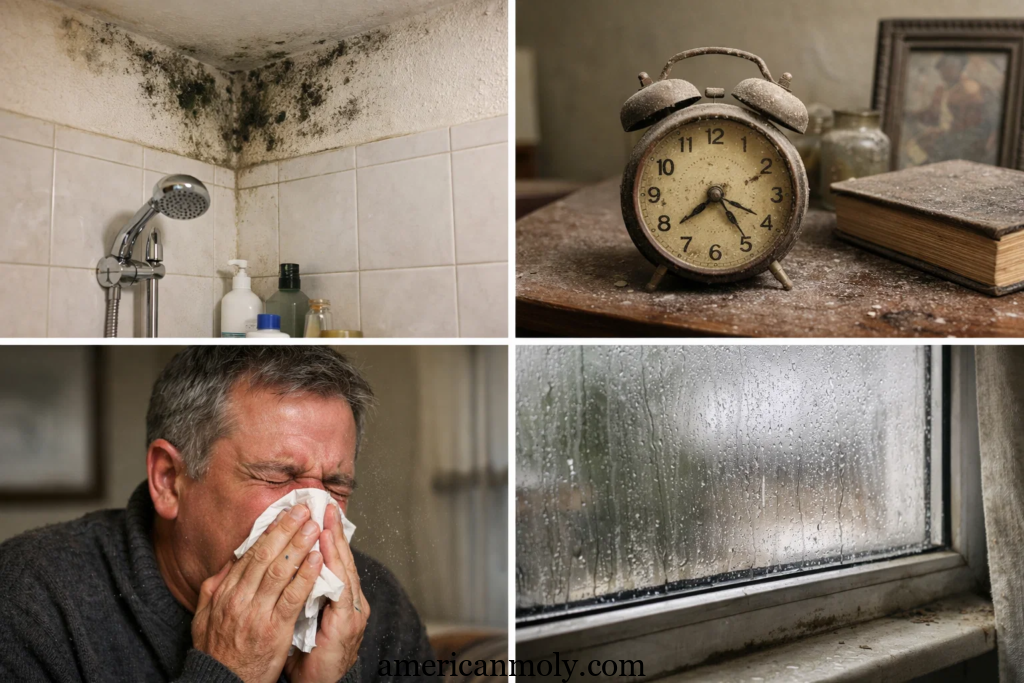
Experts in cleaning have found a series of obvious signs that a house-cleaning schedule is no longer sufficient. The families are being encouraged to look out to the following warning signs:
- Persistent musty or stale odours that remain even after windows are opened
- Visible mould patches appearing on bathroom walls, window sills, or behind furniture
- Worsening allergy or respiratory symptoms among household members, particularly indoors
- Dust returning rapidly after cleaning, suggesting deep-rooted accumulation
- Recurring colds or breathing difficulties with no identifiable external cause
Health professionals note that two or more of these signs appearing together should be treat as an urgent prompt to reassess and strengthen the home’s overall cleaning approach.
Experts Highlight the Difference Between Cleaning, Sanitising, and Disinfecting
A key finding from recent public health discussions is that most households are not cleaning to the standard they believe they are. Cleaning removes visible dirt and debris, sanitising reduces germ levels to a safer threshold, and disinfecting eliminates the vast majority of bacteria and viruses from a surface entirely.
Most domestic routines, professionals say, stop at the cleaning stage and rarely progress to full disinfection. For homes with young children, elderly residents, or anyone managing a health condition, consistent disinfection of high-contact surfaces is being described as a non-negotiable hygiene standard rather than an optional extra.
Simple Routine Recommended to Reduce Household Illness
Public health advocates are encouraging families to adopt a structured cleaning schedule rather than relying on irregular deep cleans. The following frequency breakdown is being widely recommended:
- Daily: Wipe kitchen surfaces, clean the stovetop, and sanitise bathroom touchpoints
- Weekly: Vacuum all carpets, mop hard floors, and change bed linen
- Monthly: Deep-clean appliances, wash curtains, and scrub grout and tile
- Seasonally: Declutter, clean air vents, and check for mould behind large furniture
Consistent adherence to this kind of structured routine, experts say, can significantly reduce allergen buildup, lower the frequency of household illness, and produce measurable improvements in the overall health of family members over time.










Leave a Reply