
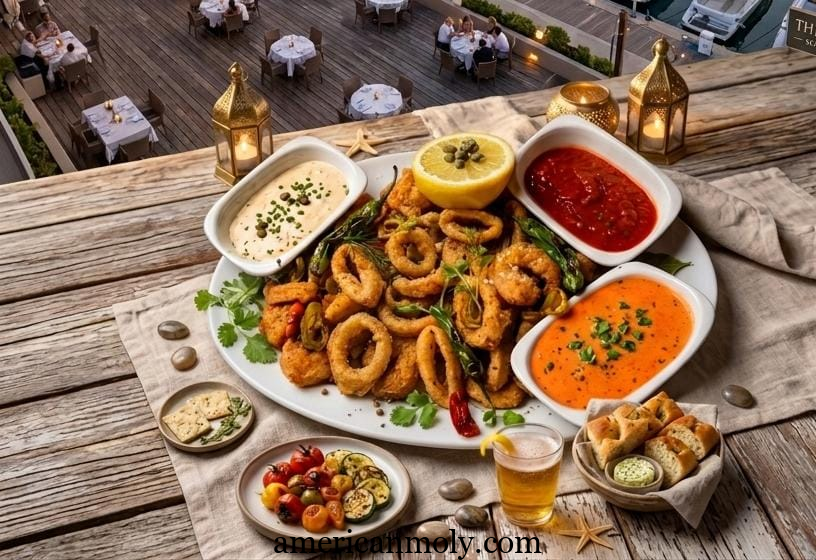
Calamariere is more than just a word in the culinary world it is a philosophy, technique, and cultural expression rooted in Mediterranean traditions. Originating from the Italian word calamari, meaning squid, Calamariere has evolved into a modern culinary term that encompasses more than frying squid rings.
It represents a refined approach to cooking squid, emphasizing freshness, texture, and harmony of flavours while honouring centuries of Mediterranean coastal cuisine. Today, Calamariere has gained global recognition, appearing in restaurants, gourmet kitchens, and food blogs as a symbol of both heritage and culinary innovation.
Calamariere Meaning and Concept
At its core, Calamariere is a Mediterranean inspired approach to preparing squid that goes far beyond the idea of traditional calamari. While calamari commonly refers to fried squid rings served with dipping sauces, Calamariere represents a broader and more refined concept rooted in precision, balance, and artisanal craftsmanship. It describes not only a method of cooking squid with complete mastery over texture, but also a philosophy centred on fresh, high-quality ingredients and a cultural identity deeply embedded in Mediterranean culinary heritage.
Linguistically, the term combines calamari, the Italian word for squid widely enjoyed across Mediterranean countries, with the suffix -iere, which signifies professional expertise or specialised craft, similar to words like chocolatiere or fromager. Together, these elements elevate a simple seafood ingredient into a sophisticated culinary concept, allowing chefs, writers, and food enthusiasts to express tradition, creativity, and professional excellence in one distinctive term.
Origins of Calamariere Mediterranean Roots
Squid has been a fundamental part of Mediterranean diets for thousands of years, valued for its availability, versatility, and nutritional richness. Ancient civilisations such as the Greeks, Romans, and Phoenicians depended on squid and other seafood as reliable sources of protein, incorporating them into everyday meals as well as festive gatherings. Coastal communities perfected various preparation techniques, including grilling squid over open flames, slow-stewing it in clay pots with herbs, wine, and olive oil, and frying it quickly to achieve the perfect balance of tenderness and flavour. Its natural sweetness and adaptability made squid especially suited to these diverse cooking methods.
Over time, it evolved from a simple food source into a powerful symbol of regional identity, culinary expertise, and cultural heritage. The concept of Calamariere emerged from this rich tradition, representing not a single fixed recipe but a refined approach to preparing squid that prioritises freshness, mastery of texture, and harmonious Mediterranean flavours.
Calamariere as a Culinary Technique
Calamariere is a technique-focused culinary practice. The main goal is to enhance the natural qualities of squid, ensuring it is tender, flavourful, and visually appealing. Key elements include:
Freshness and Preparation
Fresh squid is the foundation of any successful Calamariere dish. When selecting squid:
- Choose firm, shiny, and translucent squid with a subtle ocean scent.
- Remove the head, ink sac, beak, and internal membranes carefully.
- Slice the body into rings, keep tubes whole for stuffing, or leave tentacles intact for rustic presentations.
Fresh squid ensures optimal texture, which is crucial because overcooked squid becomes rubbery and undercooked squid lacks tenderness.
Cooking Methods
Calamariere is versatile, encompassing multiple cooking methods:
- Quick Frying Squid is coated lightly in a batter or flour and fried for 1–2 minutes, resulting in a crisp exterior and tender interior.
- Grilling Marinated squid is grilled over high heat, preserving smokiness and subtle sweetness.
- Braising Slow cooking in tomato, wine, or herb sauces transforms squid into a soft, flavourful delicacy.
- Sautéing Briefly cooked with olive oil, garlic, and herbs for a fast, aromatic preparation.
- Baking/Air Frying Health-conscious alternatives maintain tenderness with minimal oil while delivering flavour.
All methods share the same philosophy: respect the squid’s texture, enhance its flavour, and complement it with Mediterranean ingredients rather than overwhelming it.
Signature Ingredients in Calamariere
Calamariere dishes are defined by their reliance on simple, fresh, and premium-quality ingredients, reflecting the core principles of Mediterranean cuisine. At the heart of these preparations is olive oil, which serves as the foundation for sautéing, grilling, or delicately finishing the dish with richness and depth. Garlic is used thoughtfully to introduce aromatic complexity without overpowering the natural character of the squid.
Fresh herbs such as parsley, oregano, and basil contribute colour, fragrance, and brightness, while a squeeze of lemon adds refreshing acidity that enhances and balances the seafood’s subtle sweetness. Light spices, including smoked paprika, freshly ground black pepper, and occasionally mild chilli, provide gentle warmth without dominating the flavour profile. In Southern Mediterranean or Italian-inspired braises, ripe tomatoes and a splash of wine are often incorporated to create a layered, slow-simmered depth.
Calamariere Regional and Global Variations
While Calamariere is rooted in Mediterranean cuisine, its principles have inspired global adaptations. Some notable examples:
| Region | Style | Key Notes |
| Italy | Calamari Fritti | Lightly fried, served with lemon |
| Spain | Calamares | Sautéed or grilled with olive oil, garlic, parsley |
| Japan | Ikayaki | Grilled squid with sweet soy glaze |
| Southeast Asia | Chili Squid | Spicy stir-fried with chili paste and herbs |
| USA | Fusion Squid | Squid tacos, pasta, and inventive seafood dishes |
Despite differences in seasoning or cooking style, all variations maintain the Calamariere focus: tender squid, simple high-quality ingredients, and cultural authenticity.
Nutritional Benefits of Calamariere
Calamariere aligns perfectly with healthy eating trends, particularly the Mediterranean diet. Nutritional highlights include:
- Lean Protein: Supports muscle maintenance and satiety.
- Low Calories: ~92 kcal per 100g serving.
- Abundant in Omega-3s: Contributes to improved heart function and optimal neurological activity.
- Contains Vital Nutrients: Includes vitamin B12 and essential minerals that help maintain immunity, energy production, and brain health.
Because Calamariere is often prepared with olive oil, herbs, and minimal batter, it is suitable for gluten-free, keto, paleo, and health-conscious diets. Modern variations even include vegan adaptations using oyster mushrooms, hearts of palm, or konjac to mimic squid texture.
Modern Innovations and Contemporary Interpretations
In contemporary gastronomy, chefs have significantly expanded the boundaries of Calamariere, transforming it into a versatile and globally inspired culinary concept. In fine dining establishments, squid is elegantly plated with truffle oil, squid ink emulsions, and refined garnishes that elevate both presentation and flavour complexity.
At the street food level, creative interpretations have emerged in the form of calamari sandwiches, seafood tacos, and generously loaded platters that make the dish more accessible and modern. Vegan adaptations have also gained popularity, using plant-based ingredients to replicate the signature texture and Mediterranean flavour profile while catering to evolving dietary preferences. Additionally, global fusion cuisine has introduced squid to non-Mediterranean sauces, spices, and accompaniments, blending international influences while still respecting the core Calamariere philosophy.
Symbolic Significance about Calamariere
Calamariere represents far more than a method of cooking it embodies the rich coastal culture and heritage of the Mediterranean. In these communities, preparing and sharing squid dishes is often a communal activity, strengthening family ties and social bonds. Squid frequently appears in festivals, religious feasts, and seasonal celebrations, symbolising abundance and tradition.
At the same time, Calamariere reflects a deep respect for nature, the sea, and sustainable fishing practices, honouring the ecosystems that support this staple ingredient. Beyond the culinary realm, the term has also gained metaphorical significance in digital and food culture, used to describe chefs or individuals who are skilled, adaptive, and innovative qualities reminiscent of the squid itself.
Cook Perfect Calamariere at Home
Step by Step Guide
- Clean the Squid Remove innards, ink, quill, and rinse thoroughly. Slice into rings or leave tubes whole.
- Prepare the Batter (Optional) Mix flour, smoked paprika, and salt. Add cold sparkling water for crispness.
- Heat Oil Maintain 350°F–375°F for frying. Monitor to avoid soggy or burnt squid.
- Garnish Fresh parsley, lemon wedges, or drizzle of high-quality olive oil.
- Serve Enjoy immediately to preserve texture and flavour.
Tips
- Avoid overcrowding pans.
- Use fresh ingredients for maximum taste.
- Timing is key overcooked squid is rubbery.
Pairing Calamariere with Wine and Sides
When enjoying Calamariere, the right wine and side dishes can elevate the dining experience while staying true to Mediterranean authenticity. Crisp and acidic wines like Sauvignon Blanc perfectly balance the delicate flavour of squid, while light and refreshing Pinot Grigio complements both fried and grilled preparations.
A lightly oaked Chardonnay adds subtle complexity without overwhelming the dish. Traditional Mediterranean sides enhance the meal further an arugula salad with lemon vinaigrette provides a fresh, peppery contrast, garlic mashed potatoes offer creamy richness, and roasted seasonal vegetables contribute depth and earthiness. Together, these pairings create a harmonious, well-rounded Calamariere experience.
Conclusion
Calamariere embodies a distinctive blend of tradition, technique, and contemporary creativity. More than just a squid dish, it represents a culinary philosophy that prioritises fresh, high-quality ingredients, precise mastery over squid texture, and balanced Mediterranean flavours, all while honouring heritage and sustainability. Its global appeal stems from its versatility, spanning classic Italian preparations to inventive modern and even vegan interpretations.
Whether grilled, fried, braised, or reimagined in innovative ways, it stands as a timeless culinary icon, delivering exceptional flavour, nutrition, and cultural storytelling with every bite.
FAQs
What is Calamariere and how is it different from calamari?
Calamariere is a Mediterranean-inspired approach to squid preparation, emphasising texture, simplicity, and technique, unlike standard fried calamari.
Is Calamariere a traditional Mediterranean dish?
It is rooted in tradition but is not a fixed dish. It reflects centuries of squid preparation while embracing modern culinary interpretation.
How do you cook Calamariere without it turning rubbery?
Cook squid very quickly (1–2 mins) or slowly braise (45+ mins). Proper cleaning and precise timing are essential.
Can Calamariere be made vegan or gluten-free?
Yes. Vegan versions use oyster mushrooms, hearts of palm, or konjac. Gluten-free options use rice, chickpea, or cornmeal flours.
Is Calamariere healthy?
Absolutely. Squid is low in calories, high in protein, and rich in omega-3 fatty acids, vitamin B12, and selenium.










Leave a Reply