
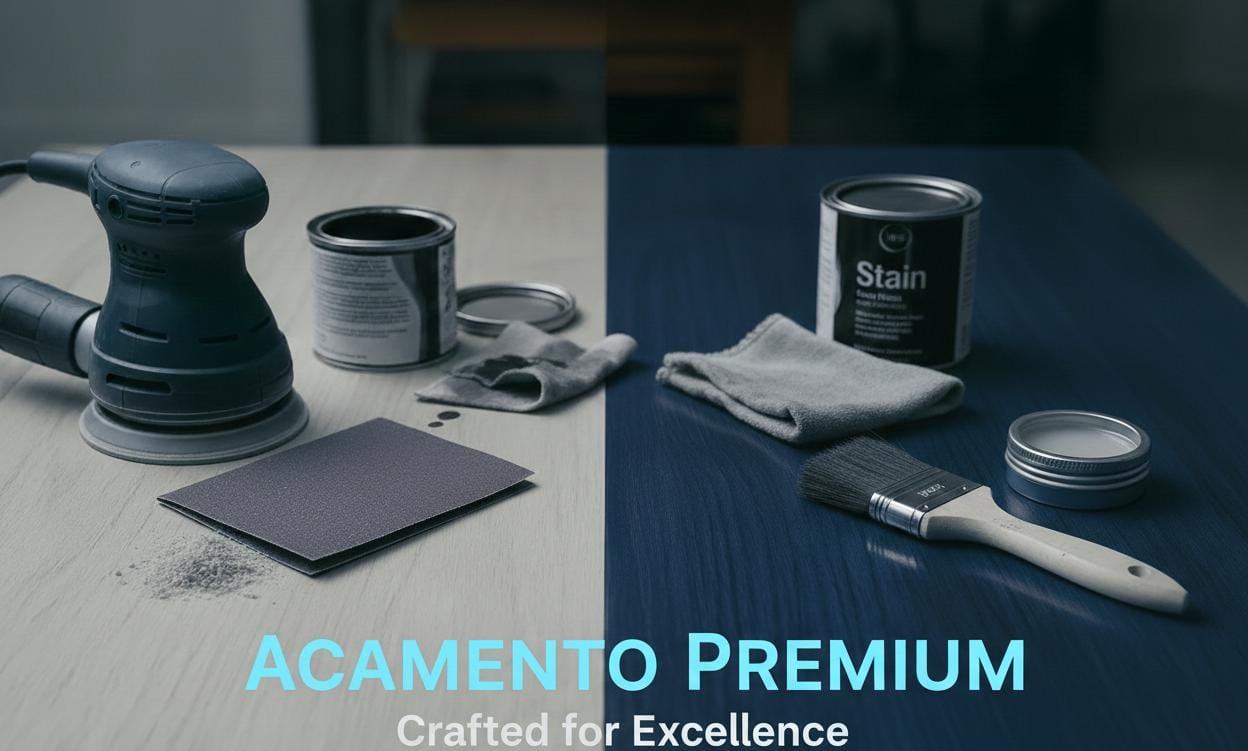
Every product structure, or crafted object reaches a moment where creation alone is not enough. Raw form must be refined strengthened, and perfected before it becomes truly complete. This essential stage is known as acamento the final finishing process that enhances performance, protects materials, and elevates appearance.
While many people focus on design or construction, professionals understand that finishing determines real quality. Without proper surface treatment, even the most advanced materials can deteriorate quickly. With careful finishing, however, ordinary materials become durable, attractive, and reliable.Acamento exists at the intersection of craftsmanship, engineering, and aesthetics. It plays a central role in construction, furniture production, textiles, manufacturing, and modern design.
What Acamento Means
Acamento is the final stage of treatment applied to a material, surface, or product to enhance durability, functionality, and visual quality. Rather than serving as a purely cosmetic step, it directly influences performance by refining structure, protecting against damage, and ensuring reliability.
The concept focuses on precision and completion, ensuring that a product meets structural, aesthetic, and practical standards before reaching users. Across industries, finishing processes aim to protect materials from deterioration, strengthen structural stability, and improve visual and tactile qualities. By combining protection with refinement, acamento becomes a critical element of quality assurance, transforming what is simply produced into something complete, resilient, and dependable.
Acamento Role of Finishing
Materials rarely reach optimal performance without finishing treatment. Raw surfaces remain vulnerable to moisture, temperature changes, friction, and chemical exposure. Finishing processes create a protective layer that stabilises and strengthens the material.
Protection Against Environmental Damage
Surface treatments prevent corrosion, water penetration, and weather-related deterioration. They create a protective barrier that shields materials from humidity, temperature fluctuations, and pollutants. This protection significantly extends the lifespan of products exposed to harsh environments.
Improved Surface Integrity
Finishing smooths irregularities, reducing weak points that could lead to failure. A refined surface minimises friction, stress concentration, and structural inconsistencies. This results in stronger performance and greater resistance to cracking or deformation.
Enhanced Durability
Properly finished materials resist wear and maintain performance over extended periods. Protective coatings and treatments reduce abrasion, impact damage, and material fatigue. As a result, products retain their strength and functionality even under demanding conditions.
Functional Optimisation
Certain finishing processes improve insulation, hygiene, or resistance to chemicals. These enhancements support specialised performance requirements in industries such as healthcare, construction, and manufacturing. Through functional optimisation, materials become more efficient, safe, and adaptable for specific applications.
Acamento Process Explained
Although finishing methods vary by material and industry, most acamento processes follow a structured sequence to ensure consistent and reliable results. The process begins with surface preparation, where the material is cleaned, stabilised, and smoothed to remove contaminants and correct imperfections that could affect performance. Next, protective or decorative treatments are applied using mechanical, chemical, or manual techniques suited to the material’s properties and intended function. After application, the material undergoes curing or stabilisation through controlled drying, heating, or chemical bonding to secure durability and structural integrity.
Finally, a detailed inspection evaluates consistency, performance, and visual quality, confirming that the finished product meets required standards. This systematic workflow ensures that finishing enhances both function and longevity rather than serving as a purely cosmetic step.
Acamento in Construction and Architecture
In the construction sector, finishing processes determine how buildings perform over time. Structural strength alone cannot ensure longevity without proper surface treatment.
- Performance Over Time Finishing determines durability and long-term building performance.
- Structural Protection Exterior treatments shield materials from moisture, temperature changes, and environmental damage.
- Aesthetic Definition Texture, colour, and surface treatment create the building’s visual identity.
- Functional Enhancement Advanced finishes improve insulation, fire resistance, and structural stability.
- Cost Efficiency Proper finishing lowers maintenance needs and extends lifespan.
- Essential Process Construction professionals treat finishing as a critical phase, not merely decoration.
Acamento in Interior Design
Interior environments depend heavily on finishing quality to achieve comfort, safety, and visual harmony.Surface treatments influence:
- Light reflection and ambience
- Surface durability and maintenance
- Hygiene and cleanliness
- Texture and tactile experience
- Resistance to stains and wear
A well-finished interior combines practicality with aesthetic coherence, creating spaces that remain functional and inviting over time
Acamento in Textile and Fashion Production
Finishing processes play a crucial role in textile manufacturing, as fabric properties change significantly after treatment. Through specialised finishing techniques, materials gain improved softness, flexibility, and structural stability, enhancing overall performance. Surface treatments also increase resistance to shrinking, fading, and everyday wear, ensuring longer-lasting durability.
In addition, precise finishing creates colour consistency and smoother textures, contributing to visual refinement. Proper treatment further improves breathability and tactile comfort, making textiles more practical and enjoyable to use. Without finishing, fabrics would lack the resilience, appearance, and usability required for modern applications.
Acamento in Furniture and Woodcraft
Furniture production depends on finishing processes to protect materials while enhancing their natural characteristics. Protective coatings shield wood and other surfaces from moisture, insects, and mechanical damage, helping maintain structural integrity over time. Finishing also reveals natural grain patterns and enriches visual depth, transforming simple materials into refined design elements.
By reducing deterioration and lowering maintenance requirements, these treatments extend product lifespan. Smooth, carefully treated surfaces further improve comfort and usability, ensuring that furniture is both practical and visually appealing. Through finishing, raw materials evolve into durable, functional, and aesthetically refined pieces.
Industrial and Mechanical Applications
In manufacturing and heavy industry, finishing processes play a crucial role in ensuring both safety and operational efficiency. Surface treatments reduce friction, enhance stability, and improve resistance to corrosion, allowing components to perform reliably under demanding conditions. Protective finishes also prevent structural failures caused by environmental exposure, safeguarding both machinery and personnel.
By refining surfaces and components, finishing improves operational efficiency, ensuring that equipment functions smoothly and consistently under stress. Strict quality control measures enforce precise finishing standards, guaranteeing consistency, compliance, and long-term reliability across machinery, infrastructure, and industrial materials.
Key Benefits of Acamento
- Increased Material Lifespan Protective treatments slow deterioration and extend usability.
- Improved Visual Quality Refined surfaces enhance perceived value and professional appearance.
- Reduced Maintenance Requirements Durable finishes decrease the need for repairs or replacements.
- Enhanced Safety and Performance Stabilised materials perform more reliably under stress.
- Environmental Sustainability Long-lasting products reduce waste and resource consumption.
- Strategic Value Finishing is a critical investment, not an optional step.
Acamento vs Surface Polishing
Although often confused, finishing and polishing serve different purposes. Polishing focuses primarily on smoothness and shine. It improves surface appearance but may not significantly enhance durability. Acamento, by contrast, includes a broader range of treatments such as coating, sealing, and structural enhancement. Polishing can be one stage within finishing, but finishing extends far beyond visual refinement. It also addresses material protection, performance optimisation, and longevity.
By recognising these differences, professionals can ensure that products not only look polished but also meet functional and safety standards. This comprehensive approach ultimately delivers higher quality and longer-lasting results.
The Growing Importance of Acamento
Modern industries increasingly prioritise finishing due to evolving consumer expectations and technological advancement. Rising demand for durability drives manufacturers to create long-lasting products that justify investment, while an emphasis on sustainability encourages treatments that extend product lifespans and reduce environmental impact. Technological innovations in finishing allow for higher performance standards, incorporating advanced coatings, chemical treatments, and precision techniques.
At the same time, finishing is increasingly integrated with design, ensuring that products are not only functional but also visually appealing. Together, these factors position acamento as a defining element of modern production, essential for meeting both practical and aesthetic demands.
The Future of Finishing Processes
Emerging technologies and environmental priorities are rapidly shaping the evolution of finishing methods. Sustainable finishing techniques focus on low-impact treatments that minimise environmental footprints while maintaining performance and durability. Smart surface technologies introduce materials that can adapt to environmental conditions, enhancing both functionality and longevity. Precision engineering systems and automation improve consistency, reduce human error, and increase efficiency across industrial and manufacturing processes.
The future of acamento lies in the seamless combination of innovation, sustainability, and design, ensuring that products are not only durable and efficient but also environmentally responsible and aesthetically refined.
Conclusion
Acamento represents the final transformation that defines quality. It protects materials, enhances performance, and refines appearance across industries and everyday applications. Without finishing, products remain incomplete and vulnerable. With proper finishing, they achieve durability, reliability, and visual excellence.
From construction and manufacturing to textiles and design, finishing processes ensure that materials perform as intended and endure over time. As sustainability and quality expectations continue to rise, the importance of acamento will only increase.









Leave a Reply