
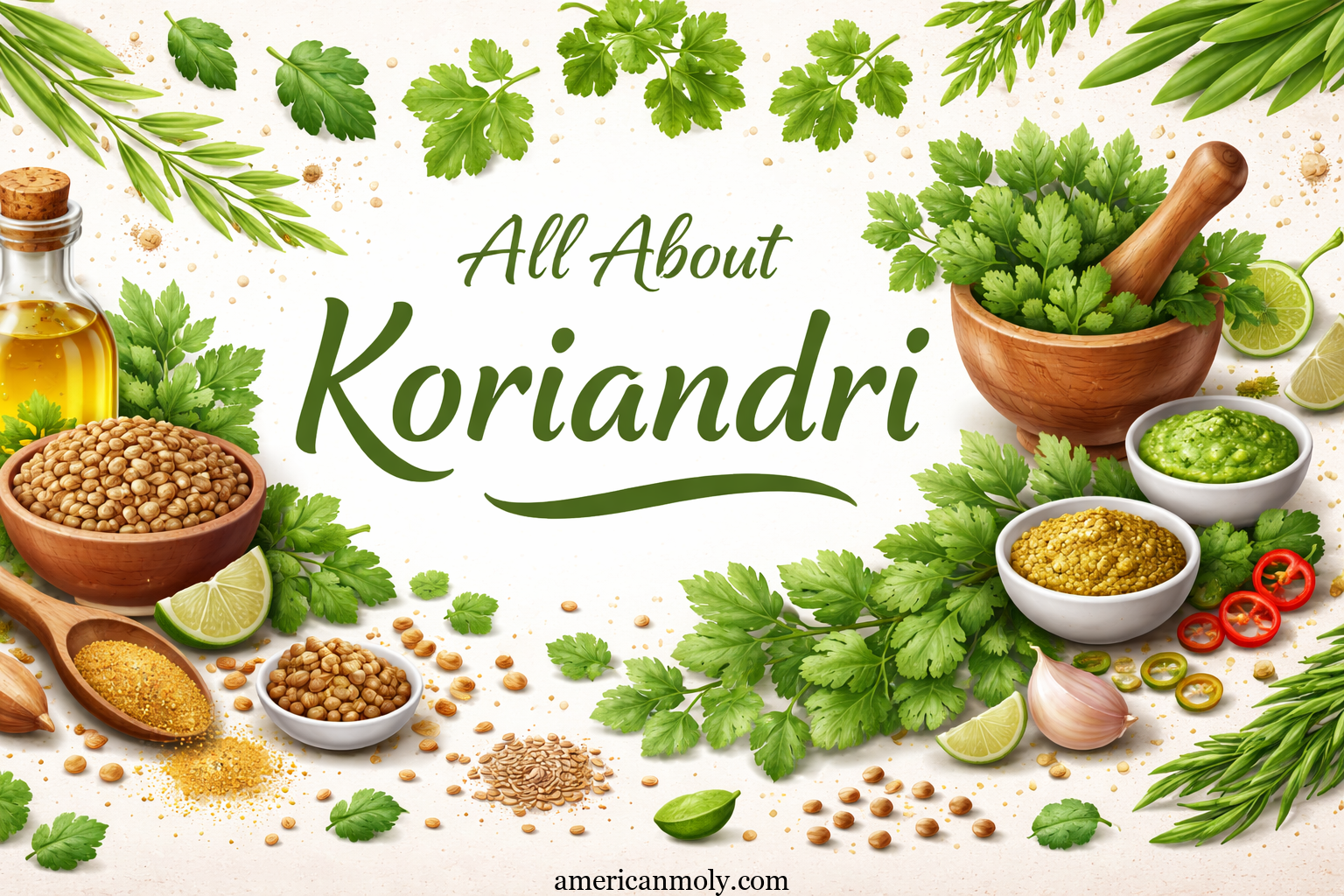
Beyond its everyday use, koriandri stands out for its unique ability to offer two completely different flavour profiles from one plant fresh, citrusy leaves and warm, aromatic seeds. This versatility makes it an essential ingredient in both simple home cooking and complex global cuisines.
It is also valued for its nutritional richness, providing vitamins, minerals, and antioxidants that contribute to a balanced diet. Because of this, koriandri is not just a flavour enhancer but a functional herb that supports a healthier lifestyle.Today, as more people turn towards natural foods and traditional ingredients,continues to grow in popularity, proving that even the simplest herbs can have lasting importance in modern living.
What Is Koriandri
Koriandri refers to the plant Coriandrum sativum, a fast-growing herb from the Apiaceae family that is highly valued for its remarkable versatility. Unlike many herbs that are limited to a single use, nearly every part of the plant can be used in cooking or traditional remedies. The fresh leaves are aromatic and commonly used raw to add brightness to dishes, while the dried seeds are widely used as a spice for their warm, earthy flavour.
The stems, often overlooked, are rich in taste and perfect for blending into sauces and pastes, and the roots are prized in certain Asian cuisines for their deep, intense flavour. This “whole-plant usability” makes koriandri not only practical but also an economical and essential ingredient in kitchens around the world.
Koriandri Meaning and Global Name Variations
The term koriandri does not refer to a different herb but is simply a variation in naming influenced by language and regional usage. Across the world, the same plant is known by several names depending on cultural context. In the UK and many parts of Asia, it is commonly called coriander, while in North America, the fresh leaves are specifically referred to as cilantro. In South Asian countries, the name dhania is widely used in everyday cooking, and in some Asian cuisines, it is described as Chinese parsley due to its resemblance to parsley leaves. Despite these differences, all these names refer to the same plant. The confusion mainly comes from regional language variations rather than any real botanical difference.
This diversity of names actually reflects how deeply embedded in global culinary traditions. Regardless of what it is called, its role in cooking and flavour enhancement remains universally recognised.
Origins and Historical Significance
It has a deep rooted history that stretches back thousands of years. It is believed to have originated in the Mediterranean region and parts of North Africa.Historically, it played multiple roles:
- Ancient Egypt Used in burial rituals and daily life
- Greek and Roman cultures Valued for both culinary and medicinal uses
- Trade expansion Spread across Asia, Europe, and the Middle East
Its ability to grow in different climates and adapt to various cuisines helped it become a global staple.
Botanical Characteristics of Koriandri
Koriandri is an annual herb,it completes its life cycle in a single growing season. It is known for its simple yet distinctive structure: bright green, soft leaves, slender stems, small white or pink flowers, and round, ribbed seeds. Its fast growth and adaptability make it a favourite among farmers and home gardeners alike.
Because it grows quickly, koriandri can be harvested multiple times within a short period, especially when grown for its leaves. It also thrives in a variety of climates, provided the soil is well-drained and receives adequate sunlight. This resilience makes it an easy and reliable herb to cultivate in both large farms and small home gardens.
Parts of the Koriandri Plant and Their Uses
- Every part is useful Koriandri is a whole-plant herb where nothing goes to waste.
- Fresh leaves Used in salads, curries, soups, and garnishes to add freshness and balance.
- Seeds Used whole or ground in spice blends, marinades, and traditional recipes for warm flavour.
- Stems Highly flavourful and often used in sauces, soups, and pastes for extra depth.
- Roots Common in Southeast Asian cooking, valued for their strong, earthy aroma.
- Overall value Its multi-use nature makes practical, economical, and highly versatile in global cuisine.
Culinary Uses of Koriandri Worldwide
Koriandri is a truly universal ingredient that appears in countless cuisines around the world due to its ability to enhance a wide range of flavours. South Asian cooking, it is considered essential in dishes such as curries, chutneys, and biryani, where it adds freshness and balance to rich spices. In Middle Eastern cuisine, it is commonly used in spice mixes and grilled dishes, contributing a warm and aromatic depth.
In Latin American food, koriandri plays a key role in popular dishes like salsa and tacos, where its fresh leaves brighten bold flavours. Meanwhile, in Southeast Asian cuisine, it is widely used in soups and noodle dishes to add complexity and fragrance. Its remarkable adaptability allows it to complement both simple everyday meals and highly complex recipes with equal ease.
Taste Profile and Flavour
Koriandri is unique because its flavour changes depending on the part used. The fresh leaves are bright, citrusy, and slightly peppery, making them ideal for adding freshness to dishes, while the seeds are warm, nutty, and mildly sweet, often used to add depth and aroma in cooking. Interestingly, some individuals perceive the taste of fresh leaves as soapy, which is linked to genetic differences in how certain flavour compounds are detected.
This variation in taste perception makes one of the most debated herbs in the culinary world. Despite this, its seeds remain widely appreciated, and together both forms contribute to its global popularity in diverse cuisines.
Nutritional Value of Koriandri
Koriandri is not just about taste it also provides valuable nutrients that contribute to overall health and wellbeing. The fresh leaves are rich in vitamins A, C, and K, contain powerful antioxidants, and are naturally low in calories, making them a healthy addition to daily meals. On the other hand, the seeds offer a different nutritional profile, acting as a good source of dietary fibre and containing important minerals such as magnesium and iron.
They also include beneficial essential oils that support digestion and general body function. Together, these properties make koriandri a natural and effective way to enhance both flavour and nutrition in everyday cooking.
Health Benefits of Koriandri
- Supports digestion Traditionally used to reduce bloating and improve gut health.
- Rich in antioxidants Helps protect the body’s cells from oxidative stress and damage.
- Promotes heart health May support healthy cholesterol levels and overall cardiovascular function.
- Blood sugar support Some studies suggest it may help in maintaining balanced glucose levels.
- Anti-inflammatory properties Contains natural compounds that may help reduce inflammation in the body.
Role in Traditional Healing
Koriandri has long been valued in traditional medicine systems such as Ayurveda, where it is considered a “cooling” herb that helps balance the body, especially in hot climates. It is commonly used in herbal drinks and natural remedies aimed at supporting digestion, improving comfort after meals, and maintaining internal harmony. Its historical use highlights its importance beyond cooking, showing that it has played a role in wellness practices for centuries.
In many traditional systems, koriandri was also included in simple home treatments for everyday digestive discomfort and general wellbeing. This long-standing trust in the herb reflects its reputation as a gentle and natural support ingredient in holistic health practices.
How Koriandri Is Grown
Koriandri is easy to cultivate and does not require complex growing conditions, which makes it a popular choice for both commercial farmers and home gardeners. It thrives best in mild temperatures and grows well in well-drained soil that prevents waterlogging.
The plant requires moderate sunlight to develop properly and maintain healthy growth throughout its cycle. It is mainly grown from seeds, which germinate quickly under suitable conditions. Its simplicity and low maintenance needs make highly accessible, even for beginners who have little gardening experience, while still offering a rewarding harvest of fresh leaves and seeds.
Growing Koriandri at Home
Growing koriandri at home is both easy and rewarding, making it a great choice for beginners and experienced gardeners alike. It can be grown in pots, containers, or small garden spaces, which means even people with limited space can cultivate it successfully. The plant requires regular watering, but overwatering should be avoided to prevent root damage and ensure healthy growth.
One of its biggest advantages is its fast growth cycle, as the leaves can often be harvested within just a few weeks of planting. Having fresh at home not only enhances the flavour of everyday meals but also adds convenience, as it provides a constant supply of fresh herbs right at your fingertips.
Modern Cultural and Importance of Koriandri
Koriandri holds deep cultural importance and continues to play a meaningful role in both tradition and modern lifestyles. It is widely found in family recipes that are passed down through generations, helping preserve culinary heritage and familiar home-cooked flavours. Often associated with comfort food, it brings warmth and authenticity to everyday meals and is also an essential part of many festivals and traditional dishes.
Beyond its cultural roots, koriandri remains highly relevant in the modern world, where it is popular in plant-based diets, detox drinks, and wellness trends. It is also frequently used in fusion cuisine, combining traditional and contemporary flavours in creative ways. Its affordability, accessibility, and versatility ensure that continues to be a staple ingredient in kitchens around the globe.
Practical Tips for Using Koriandri
- Add fresh leaves at the end of cooking to retain flavour and aroma
- Toast seeds lightly before grinding to enhance their fragrance
- Store fresh leaves properly in a cool, moist environment to prevent wilting
- Use in moderation to maintain a balanced taste in dishes
- Chop leaves just before serving to preserve essential oils
- Crush seeds fresh when possible for stronger flavour impact
- Avoid overcooking leaves, as heat reduces their freshness and taste
- Pair koriandri with complementary spices like cumin and turmeric for better depth
- Wash thoroughly before use to remove dirt and impurities
- Use both leaves and seeds strategically to maximise flavour in recipes.
Conclusion
Koriandri is far more than just a garnish it is a herb that combines flavour, nutrition, and cultural importance. Its long history, wide range of uses, and health-supporting properties make it one of the most valuable ingredients in global cuisine.
From ancient traditions to modern kitchens, koriandri continues to prove its worth. Whether you use it daily or occasionally, it remains a simple yet powerful addition to a healthy and flavourful lifestyle.
FAQs
What is koriandri?
Koriandri is another name for coriander, a herb used for both fresh leaves and dried seeds.
Is koriandri the same as cilantro?
Yes, cilantro refers to the fresh leaves of the same plant.
Can koriandri be consumed daily?
Yes, it is safe in normal dietary amounts.
Why does koriandri taste different to some people?
Genetic factors can cause some individuals to perceive a soapy taste.
Is koriandri beneficial for health?
Yes, it supports digestion, heart health, and overall wellness.











Leave a Reply