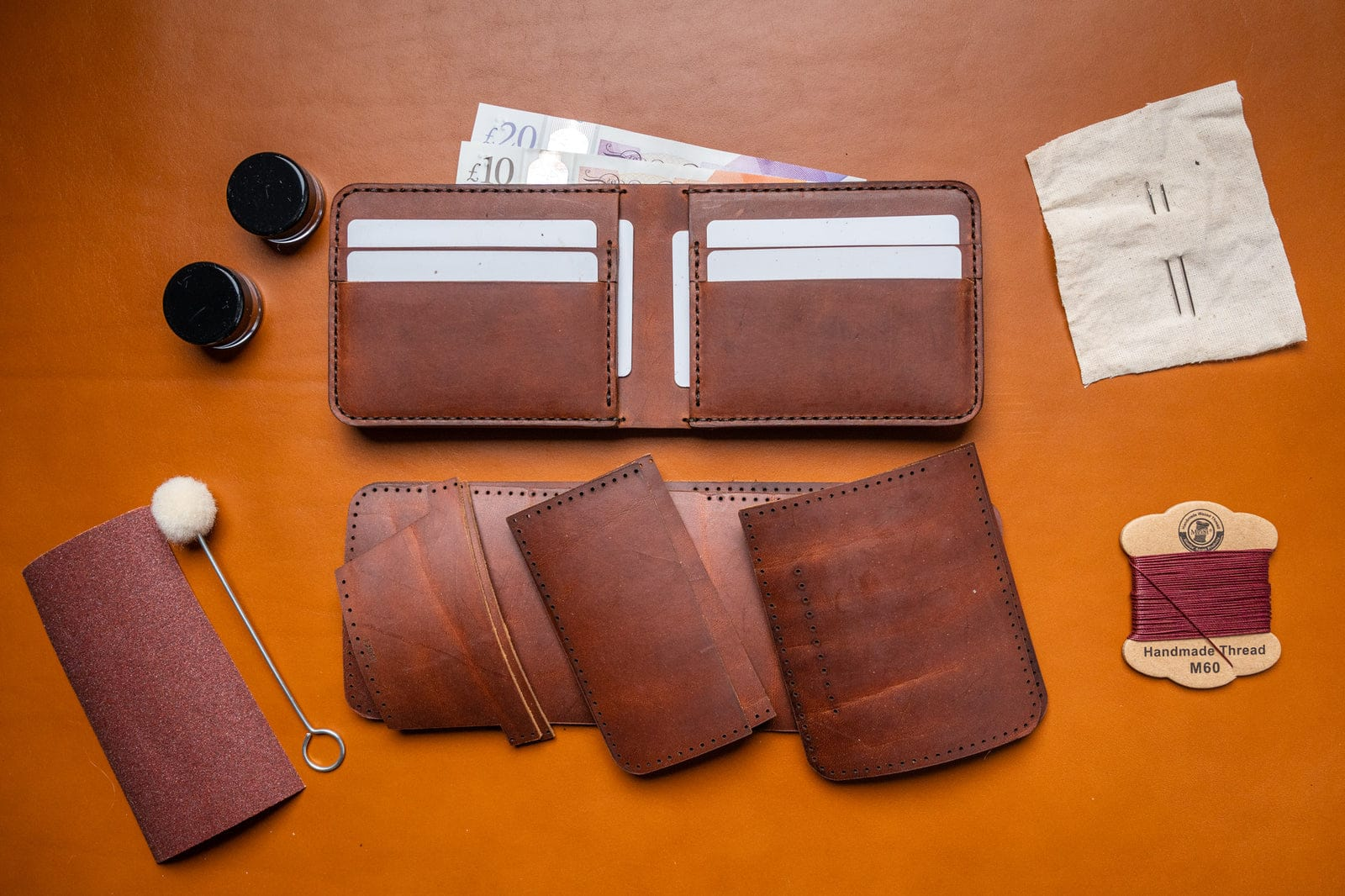
Zuschneidfelle: Guide for Leathercraft and Skiing
Whether you are a leather artisan or a backcountry skier, Zuschneidfelle are indispensable tools that provide precision, safety, and efficiency. The term Zuschneidfelle, which literally translates from German as cut to fit skins or trimming skins, has diverse applications depending on the context. In leathercraft, cutting skins used to guide accurate cuts and protect work surfaces.
In skiing and snowboarding, Zuschneidfelle are adjustable climbing skins that allow efficient uphill travel on snowy terrain. Their versatility makes them a valuable investment for both creative projects and outdoor adventures. Understanding the types, uses, and maintenance of ensures optimal performance and longevity across all applications.
What Are Zuschneidfelle
Zuschneidfelle serve distinct but equally important purposes depending on the field. In leathercraft, they act as protective cutting skins, offering a smooth and stable surface that allows artisans to cut leather or hides with precision. By safeguarding both the material and the work surface, it enable intricate designs and flawless execution, making them essential for professional-quality craftsmanship. In winter sports, on the other hand, function as climbing skins for skis and splitboards, providing grip on snow while allowing smooth glide.
This feature is crucial for uphill travel during backcountry skiing, ski touring, and splitboarding, enhancing efficiency and safety. Despite these differences in application, the core concept of Zuschneidfelle remains consistent: they improve accuracy, performance, and durability, whether in the creative workshop or on challenging snowy terrain.
The History of Zuschneidfelle
In Leathercraft
The use of Zuschneidfelle in leathercraft can be traced back centuries. Ancient artisans relied on these cutting skins to maximise material usage, reduce waste, and achieve consistent results. Early craftsmen used natural hides, such as cowhide or sheepskin, to create durable cutting surfaces.
During the Middle Ages, leathercraft evolved into a specialised trade. Cobblers, saddlers, and armourers refined their techniques, developing a variety of Zuschneidfelle tailored to specific leather types and projects. Over time, this tradition has persisted, blending historical craftsmanship with modern precision tools. Today, leather artisans continue to use Zuschneidfelle to achieve professional-grade results.
In Skiing and Mountaineering
Zuschneidfelle as climbing skins have their origins in the early mountaineering and skiing cultures of Europe. Early adventurers used animal fur and natural fibers to traverse snow-covered slopes safely. These skins allowed climbers to ascend without slipping and reduced physical strain during long uphill journeys.
With the introduction of synthetic materials like nylon and mohair blends, modern Zuschneidfelle offer superior grip, glide, and durability. This innovation has made uphill travel safer and more efficient for ski tourers, splitboarders, and backcountry enthusiasts worldwide.
Types of Zuschneidfelle
Leathercraft Zuschneidfelle
- Cowhide Thick, durable, ideal for heavy-duty projects such as belts, saddles, or furniture.
- Sheepskin Soft, pliable, excellent for delicate designs and lining materials.
- Goat and Kidskin Lightweight with fine grain, perfect for intricate patterns and decorative elements.
- Synthetic Mats Affordable, easy to clean, and beginner-friendly, used widely in hobbyist projects.
Skiing and Splitboarding Zuschneidfelle
- Mohair Skins Smooth and fast, offering excellent glide on snow.
- Nylon Skins Strong grip, suitable for icy or steep terrain.
- Mohair/Nylon Blends Balanced glide and durability, ideal for mixed snow conditions.
- Eco-Friendly Skins Sustainable, high-performance options that reduce environmental impact.
Each type of Zuschneidfelle is designed to meet specific needs, whether in crafting precision or outdoor performance.
Factors to Consider When Choosing Zuschneidfelle
When selecting Zuschneidfelle, several key factors should guide your choice to ensure optimal performance and longevity. First, consider the primary purpose: whether you will be using them for leathercraft or skiing, as this determines the required material, size, and texture. Frequency of use is also important frequent users benefit from high-quality, durable Zuschneidfelle, whereas occasional users may opt for more economical options without compromising basic functionality. Material characteristics such as thickness, flexibility, and surface texture play a crucial role in performance; leather artisans need smooth, even skins for precise cutting, while skiers require skins that provide the perfect balance of grip and glide.
The climate and environment must also be factored in: skiers tackling icy slopes may prefer durable nylon, while soft snow conditions favour mohair blends, and leatherworkers in humid areas should choose moisture-resistant skins. Finally, budget considerations are essential investing in quality may cost more upfront but ensures long-term benefits, while cheaper alternatives can wear out quickly, damage tools, or compromise prec
How to Use Zuschneidfelle
Proper usage of Zuschneidfelle varies depending on the application, but certain principles ensure efficiency, durability, and safety. In leathercraft, place the Zuschneidfell beneath the leather to protect work surfaces, and always use sharp knives, rotary cutters, or scissors for clean, precise edges. Lightly marking patterns before cutting improves accuracy, while combining different textures and layers allows for more creative designs.
For durability, incorporate adhesives, stitching, or rivets alongside the skiing and splitboarding, measure the skis or splitboard carefully for a precise fit, then trim the Zuschneidfell along the edges using the included cutter. Secure the skins with pre-mounted tail clips, apply climbing skin wax to enhance glide, and regularly clean and dry the skins after each use. Following these practices ensures that Zuschneidfelle perform optimally, whether in craftsmanship or outdoor adventures.
Zuschneidfelle Maintenance and Care
Leathercraft Zuschneidfelle
- Remove debris and dust with a soft brush or cloth.
- Condition with leather oils or creams periodically to prevent cracking.
- Store flat in a cool, dry area away from sunlight.
Skiing and Splitboarding Zuschneidfelle
- Dry completely after each outing to prevent mold and adhesive damage.
- Remove snow, ice, and dirt before storage.
- Apply climbing skin wax to enhance glide.
- Keep in a dry, well-ventilated space to preserve the quality of the material
Well-maintained Zuschneidfelle last longer, ensuring consistent results and protecting tools or equipment.
Practical Applications of Zuschneidfelle
Zuschneidfelle are highly versatile tools that enhance both leathercraft and winter sports. In leathercraft, they are indispensable for cutting precise shapes for bags, wallets, jackets, and shoes, as well as for upholstery projects like furniture and decorative panels.
By providing a consistent cutting surface, they also help reduce material waste and improve overall project quality. In skiing and splitboarding, Zuschneidfelle facilitate efficient uphill travel in backcountry conditions, improve safety on steep or icy terrain by preventing slips, and reduce fatigue during long ascents. Mastering their use in either domain significantly boosts performance, precision, and safety, making them essential for artisans and outdoor enthusiasts alike.
Safety Tips
- Always wear protective gloves when handling sharp cutting tools.
- Maintain sharp blades to minimize the force required and reduce the risk of accidents.
- Ensure stable, well-lit work surfaces in crafting.
- Follow avalanche safety protocols and carry essential safety gear in the backcountry.
Prioritising safety ensures longevity of your materials, tools, and personal wellbeing.
Common Mistakes to Avoid
- Cutting without guides or measuring tools.
- Using worn-out or damaged Zuschneidfelle.
- Exposing leather or climbing skins to moisture or direct heat.
- Neglecting proper storage and cleaning routines.
Avoiding these mistakes improves outcomes, prolongs equipment life, and maintains precision.
Zuschneidfelle Cost vs. Quality
Investing in high-quality Zuschneidfelle pays off in precision, durability, and efficiency. Cheaper alternatives may compromise cutting accuracy, wear out faster, or damage tools. Balancing cost and quality is crucial for both artisans and outdoor enthusiasts seeking long-term performance.
High-quality Zuschneidfelle also offer better grip, smoother handling, and consistent results, whether crafting intricate leather designs or navigating challenging snowy terrain. Over time, this investment not only enhances safety and effectiveness but also ensures a more enjoyable and professional experience in every project or adventure.
Zuschneidfelle Tips for Beginners
When starting with Zuschneidfelle, begin with small, simple projects or short skiing tours to get a feel for the material’s behavior. Always remember to measure twice and cut once to prevent mistakes, and maintain both your tools and Zuschneidfelle regularly to ensure consistent performance.
As your confidence and skill grow, gradually take on larger or more complex projects, whether in leathercraft or backcountry skiing. Patience and practice are essential for mastering Zuschneidfelle effectively. Additionally, observing experienced artisans or skiers can provide valuable tips, and keeping a dedicated workspace or storage area ensures your skins remain in top condition for long-term use.
Conclusion
Zuschneidfelle are versatile tools that enhance precision, durability, and performance in both leathercraft and winter sports. Whether guiding accurate cuts for leather goods or enabling safe uphill travel in the backcountry, Zuschneidfelle are indispensable for professionals and enthusiasts alike.
By choosing the right type, using proper tools, following accurate techniques, and maintaining them carefully, you can achieve professional results, maximize efficiency, and extend the life of both your materials and equipment.
FAQs
What are Zuschneidfelle?
Cutting skins used in leathercraft or adjustable climbing skins for skis and splitboards.
How do I select the right Zuschneidfelle?
Consider material, thickness, flexibility, intended use, and budget.
Are Zuschneidfelle suitable for beginners?
Yes, with proper guidance, they are useful for hobbyists and professionals alike.
How should I maintain Zuschneidfelle?
Clean after use, condition leather if needed, dry climbing skins thoroughly, and store in a cool, ventilated area.
Are synthetic Zuschneidfelle effective?
Yes, they are affordable and low-maintenance but may be less durable than natural options.