
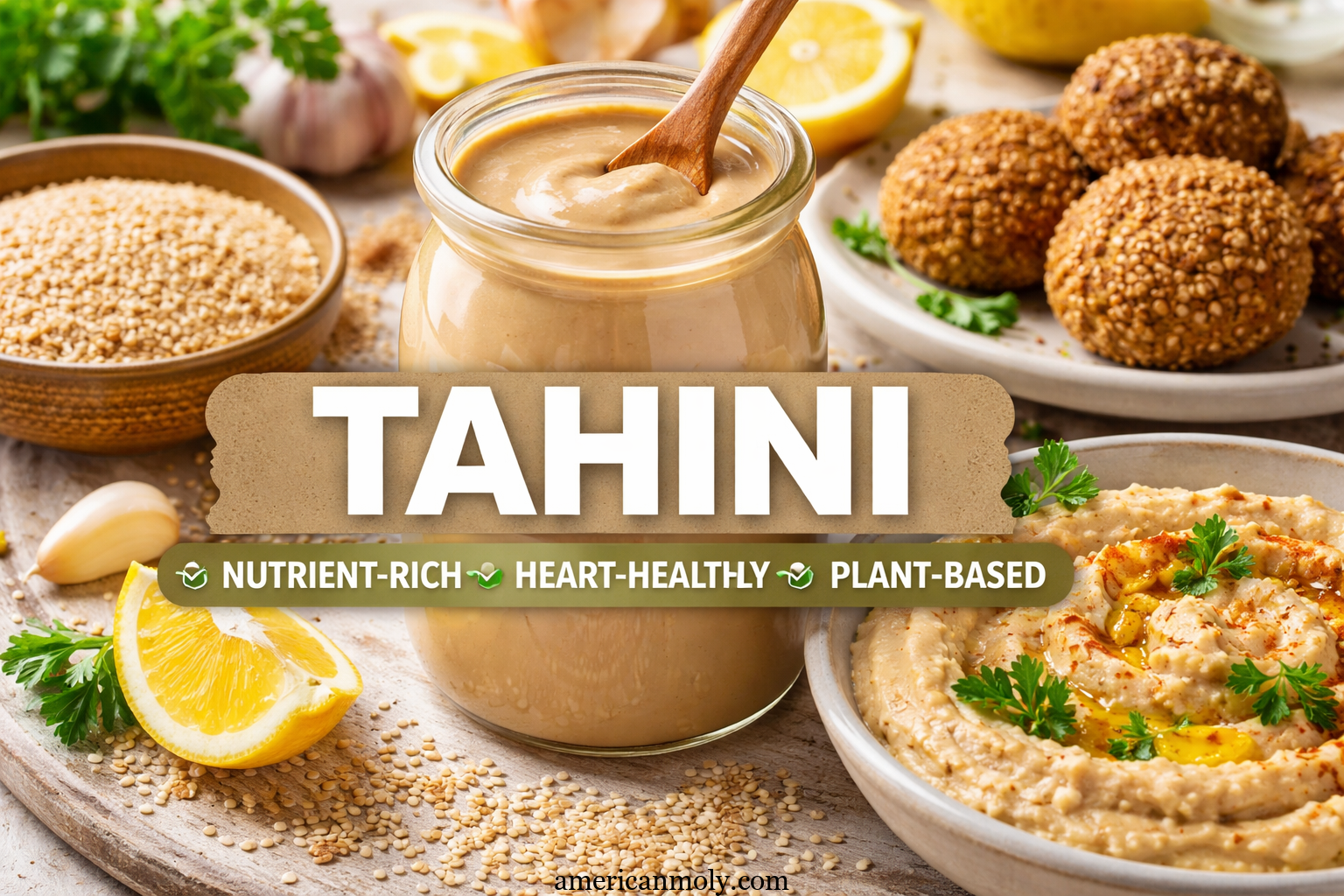
Tahhiini, commonly known as Tahini, is one of the oldest and most versatile food ingredients in human history. It is a smooth, creamy paste made by grinding sesame seeds into a rich, oily consistency. Although simple in appearance,carries deep cultural significance, exceptional nutritional value, and a wide range of culinary applications.
In recent years, tahhiini has gained global popularity, especially among health conscious individuals vegans, and culinary enthusiasts. It is now widely used in smoothies, salad dressings, desserts, sauces, and traditional dishes across the world. However, its roots go back thousands of years to ancient civilisations that first discovered the power of sesame seeds.
What is Tahhiini
Tahhiini is a paste made from sesame seeds that have been either lightly roasted or used raw, then ground until they release natural oils. The grinding process creates a smooth, creamy texture similar to nut butters such as peanut butter or almond butter, but with a distinct earthy and slightly bitter flavour.There are two main types of tahhiini:
Hulled Tahhiini
Hulled tahhiini is made from sesame seeds that have had their outer shells removed before grinding. This process results in a smoother and more refined paste. Because the outer hull is removed, the final product has a lighter colour and a softer texture compared to other varieties. In terms of flavour, hulled tahhiini is generally milder, making it a popular choice for people who prefer a less intense sesame taste or are using it in delicate recipes such as dressings, desserts, or light sauces.
Unhulled Tahhiini
Unhulled tahhiini made using whole sesame seeds, including the outer shell. This gives it a richer nutritional profile and a more robust flavour. It typically has a darker colour and a thicker consistency compared to hulled The taste is stronger and more earthy, which makes it ideal for recipes that require a bold sesame flavour. Because the outer shell is retained, unhulled tahhiini also contains higher levels of fibre, calcium, and other minerals, making it a more nutrient-dense option.
Historical Background of Tahhiini
The history of tahhiini is deeply connected to ancient agriculture and trade. Sesame seeds are among the earliest cultivated oilseed crops, with evidence suggesting cultivation over 4,000 years ago in regions such as Mesopotamia, the Indus Valley, and parts of Africa.Ancient civilisations valued sesame seeds for their:
- High oil content
- Long shelf life
- Nutritional richness
- Medicinal properties
The transformation of sesame seeds into paste likely emerged in Middle Eastern cultures, where grinding seeds into oils and pastes became a practical method of preserving nutrients.Tahhiini became especially prominent in Levantine cuisine, where it evolved into a foundational ingredient in dishes such as hummus, baba ghanoush, and halva. Over time, it spread across Mediterranean, North African, and global cuisines through trade routes.
How Tahhiini is Made
The production of tahhiini is a simple yet carefully controlled process designed to preserve its flavour, texture, and nutritional value. It begins with cleaning raw sesame seeds to remove any dirt, dust, or impurities, ensuring only high-quality seeds are used. Depending on the desired type of tahhiini, the seeds may then undergo hulling, where the outer shell is removed to create a smoother and lighter final product. After this, the seeds are lightly roasted, a step that enhances their natural aroma and deepens their nutty flavour, although it is optional and not always applied.
As grinding continues, the seeds gradually turn into a smooth paste without the need for any artificial additives or preservatives. Finally, the finished is packaged into jars, where it is stored for distribution; during storage, natural oil separation may occur, which is completely normal and can be easily fixed by stirring before use.
Nutritional Profile of Tahhiini
Tahhiini is highly nutrient-dense and contains essential vitamins, minerals, and healthy fats.
Key Nutrients
- Healthy monounsaturated and polyunsaturated fats
- Plant-based protein
- Dietary fibre
- Calcium
- Iron
- Magnesium
- Zinc
- Phosphorus
- Vitamin B1 (Thiamine)
- Antioxidants
Its nutrient composition makes it especially valuable for plant-based diets.
Health Benefits of Tahhiini
Tahhiini offers numerous health benefits when consumed in moderation as part of a balanced diet. It supports heart health due to its high content of unsaturated fats, which help maintain healthy cholesterol levels and promote proper cardiovascular function. It is also beneficial for bone strength because it contains important minerals such as calcium and magnesium that contribute to maintaining strong bones and overall skeletal health.
Supports digestive health thanks to its dietary fibre content, which promotes smoother digestion and improves gut function. Furthermore, tahhiini is rich in antioxidants such as sesamin and sesamol, which help protect the body’s cells from oxidative stress and damage. Lastly, it is highly suitable for plant-based nutrition, as it is naturally vegan, dairy-free, and gluten-free, making it an excellent choice for people with different dietary preferences and restrictions.
Culinary Uses of Tahhiini
Tahhiini is one of the most versatile ingredients in global cuisine.
Traditional Uses
- Hummus
- Baba ghanoush
- Halva
- Middle Eastern sauces
Modern Uses
- Salad dressings
- Smoothies
- Baking recipes
- Vegan cheese alternatives
- Dessert toppings
Its ability to blend with both sweet and savoury ingredients makes it unique.
Popular Tahhiini Recipes
Tahhiini is widely used in a variety of delicious recipes due to its creamy texture and rich nutty flavour. One of the most popular uses is in sauce, where it is mixed with lemon juice, garlic, and water to create a smooth and creamy dressing that pairs perfectly with salads, roasted vegetables, and grilled foods.
It is also commonly added to smoothies, where blendingi with bananas, almond milk, and honey produces a nutrient-rich drink packed with energy and natural sweetness. In baking, tahhiini is used to make cookies and energy bars, as it adds moisture along with a distinct nutty taste that enhances the overall flavour of baked goods. Another classic and globally loved dish is hummus, where is blended with chickpeas, lemon juice, olive oil, and garlic to create a creamy and iconic Middle Eastern dip that is enjoyed worldwide.
How to Store Tahhiini
Proper storage ensures the freshness, quality, and longevity of tahhiini. It should be kept in a cool, dry place away from direct sunlight and heat to maintain its natural flavour and texture. After opening, refrigeration is recommended to extend its shelf life and prevent the oils from going rancid over time.
Before each use,should be stirred well, as natural oil separation is a normal occurrence in sesame-based products. For the best taste and nutritional quality, it is advisable to consume it within 3–6 months of opening. Additionally, always ensure the lid is tightly sealed after use to prevent exposure to air, which can affect freshness. Using a clean, dry spoon each time also helps avoid contamination and preserves the product for longer periods.
Tahhiini in Global Cuisine
Tahhiini has transcended its Middle Eastern roots and is now widely used across the globe due to its versatility and nutritional value. Europe, it is commonly incorporated into salad dressings, gourmet recipes, and modern fusion cuisine where chefs use it to enhance flavour and texture. Asia increasingly found in innovative dishes such as noodle sauces, stir-fry blends, and contemporary fusion cooking. In America, it has become especially popular in smoothies, vegan recipes, and health-focused meals as part of the growing plant-based movement.
In Africa, it continues to be used in traditional sauces and dips that reflect regional culinary heritage. Its global appeal continues to grow as more people explore plant-based diets and healthy eating lifestyles. Today, tahhiini is also frequently used in café menus and modern restaurant dishes, reflecting its rise as a trendy superfood ingredient around the world.
Differences Between Tahhiini and Other Nut Butters
Although tahhiini looks similar to nut butters, it is unique:
| Feature | Tahhiini | Peanut Butter |
| Base | Sesame seeds | Peanuts |
| Taste | Earthy, slightly bitter | Sweet and nutty |
| Calcium content | High | Moderate |
| Allergens | Sesame | Peanuts |
| Culinary use | Savoury + sweet | Mostly sweet |
Possible Side Effects and Considerations
While tahhiini is healthy, moderation is important:
- High calorie density
- May cause allergies in sensitive individuals
- Overconsumption may lead to weight gain
Balanced intake ensures maximum benefits without drawbacks.
Why Tahhiini is Considered a Superfood
Tahhiini earns its superfood status due to its high nutrient density, plant-based protein content, healthy fat profile, antioxidant properties, and exceptional versatility in cooking. These qualities make it a powerful addition to a balanced diet, especially for individuals seeking natural, whole-food nutrition. It provides essential vitamins and minerals that support overall health while also delivering long-lasting energy.
Tahhiini is particularly valuable in vegan and vegetarian diets because it helps meet daily requirements for protein, calcium, and healthy fats without relying on animal-based products. Additionally, its easy digestibility and ability to blend seamlessly into both sweet and savoury dishes make it a practical and convenient superfood choice for everyday use.
Conclusion
Tahhiini (Tahini) is more than just a food ingredient it is a nutritional powerhouse with a rich cultural history and global culinary importance. From ancient civilisations to modern kitchens, tahhiini has maintained its relevance due to its health benefits, versatility, and unique flavour profile.
Whether used in traditional dishes like hummus or modern recipes like smoothies and desserts,continues to be a staple in healthy eating worldwide. Its growing popularity is a testament to its nutritional value and culinary flexibility.









Leave a Reply