Spaietacle: A Complete Guide
To fully grasp the influence and significance of spaietacle, one must delve into its psychological dimensions. Spaietacle operates on multiple levels of human consciousness. It’s not just something people watch; it’s something they feel, absorb, and internalize. This phenomenon interacts with both cognitive and emotional processes, shaping how individuals perceive, interpret, and respond to experiences.
At its psychological core, spaietacle thrives on immersion. When someone encounters a spaietacle — whether in art, film, technology, or live performance — their brain becomes actively engaged. The sensory input stimulates not only the visual cortex but also emotional centers like the amygdala and hippocampus. This neuropsychological engagement creates a powerful feedback loop between perception and feeling.
This connection explains why some experiences leave lasting impressions long after they end. Spaietacle turns moments into memories and memories into meaning. The more immersive the experience, the stronger the psychological bond between the individual and the moment. Unlike traditional spectacles that fade as soon as the lights dim, a true spaietacle lingers in the psyche — altering thoughts, moods, and sometimes even beliefs.
Human Perception and Experience
Human beings naturally seek experiences that stimulate the senses and emotions simultaneously. Spaietacle caters to this inherent desire by offering multisensory engagement. Our perception is not a passive process; it involves constant interaction between what we see, what we expect, and how we feel.
When people experience spaietacle, they’re not merely perceiving — they’re participating. Their minds connect dots, interpret symbols, and derive meaning from the unfolding moment. This active participation elevates spaietacle beyond simple entertainment, making it a shared psychological journey between creator and audience.
In this way, spaietacle becomes both personal and collective. Each individual experiences it differently, yet there’s a shared emotional thread that binds everyone involved. It is through this dual nature — individual interpretation and collective resonance — that spaietacle gains its cultural power.
Emotional Responses to Spaietacle
Spaietacle evokes emotion as a deliberate tool of transformation. It might inspire awe, empathy, nostalgia, or even discomfort — but its goal is always to provoke reflection and connection. The emotional spectrum of a spaietacle determines its depth and memorability.
For instance, a digital art installation that responds to human movement can evoke feelings of wonder and curiosity. A cinematic spaietacle that challenges moral boundaries can stir empathy or introspection. Each emotion acts as a bridge between experience and meaning, making the spaietacle unforgettable.
In modern psychology, emotional resonance is considered a key factor in learning and memory retention. That’s why spaietacle is not just entertaining but educational in its impact. It teaches through feeling — embedding lessons in the emotional core of human experience.
Spaietacle vs Similar Concepts
It’s tempting to compare spaietacle with similar concepts like spectacle, immersion, or aesthetic experience. However, spaietacle surpasses these ideas in both depth and purpose. While a spectacle focuses on visual magnificence, spaietacle focuses on meaning. A spectacle may entertain the eyes, but spaietacle engages the mind and soul.
Immersion, too, is a component of spaietacle, but not its entirety. Many immersive experiences are designed for novelty or sensory stimulation — virtual reality games, for instance — without necessarily invoking deeper reflection. Spaietacle, on the other hand, uses immersion as a pathway to insight. It transforms the participant’s awareness, encouraging them to see beyond what’s immediately visible.
Thus, the difference lies in intention. Spectacles impress. Spaietacles transform.
How Spaietacle Shapes Public Opinion
In the era of social media and digital storytelling, spaietacle has become an influential force in shaping public consciousness. Modern society thrives on shared experiences — from viral videos to cultural movements — and spaietacle sits at the heart of that phenomenon.
A well-crafted spaietacle can change how people think, behave, or even identify themselves. Consider large-scale social events like global awareness campaigns, immersive exhibitions, or innovative ad experiences. These are not just displays; they are catalysts for discussion, empathy, and change.
Spaietacle taps into humanity’s collective psychology. It uses shared emotion to forge unity and conversation. It creates moments people want to talk about — because they feel seen, understood, or moved. In an age where attention is the most valuable currency, spaietacle doesn’t just capture it — it earns it.
Media Influence and Spaietacle
Media outlets and brands increasingly harness the power of spaietacle to engage audiences. A viral marketing campaign or visually stunning short film can become a spaietacle when it evokes real emotional connection. The key lies in authenticity and purpose.
When media prioritizes storytelling over spectacle, it transforms passive viewers into active participants. They share, react, and discuss, effectively becoming part of the narrative. This participatory element is what sets spaietacle apart from traditional media consumption. It’s not a one-way broadcast; it’s a two-way relationship.
Social Platforms and the Viral Spread of Spaietacle
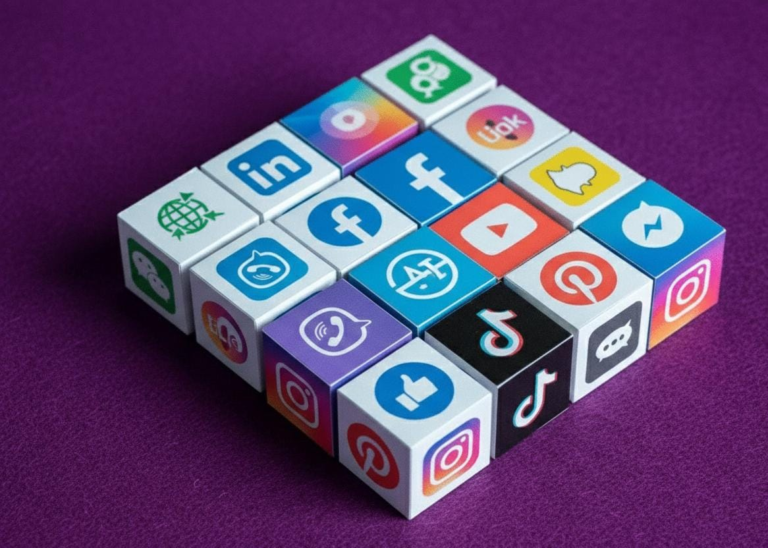
Social platforms like Instagram, TikTok, and YouTube have become the modern stage for spaietacle. Viral trends, live experiences, and creative storytelling merge to form digital moments that feel immersive and communal.
A single piece of content can become a global spaietacle if it strikes the right emotional chord. Whether it’s a cinematic video about human resilience, a digital art challenge, or a live-streamed event, the essence lies in its ability to connect people through shared experience.
In this sense, the internet itself has become a medium for spaietacle — a living, breathing network where meaning is co-created, not dictated.
Real-World Examples of Spaietacle
One can find spaietacle in nearly every domain of modern life. Large-scale artistic exhibitions like teamLab Borderless in Tokyo or ARTECHOUSE in New York exemplify the concept. These are not merely visual shows; they immerse audiences in digital ecosystems where movement, sound, and light interact with human emotion.
Similarly, music festivals such as Tomorrowland or Coachella demonstrate spaietacle through multisensory production and community energy. They’re more than concerts — they’re cultural rituals where thousands experience shared transformation.
Even political movements, humanitarian campaigns, and cinematic events can take on spaietacular qualities. The 2012 Kony 2012 campaign, for instance, became a global digital spaietacle — uniting millions through storytelling, imagery, and emotion to raise awareness for a cause.
Each example underscores that spaietacle is not confined to art or media; it’s a universal language of connection.
Benefits and Criticisms of Spaietacle
Spaietacle offers undeniable benefits: emotional engagement, social cohesion, and transformative awareness. It bridges the gap between audience and message, making experiences meaningful and memorable. In education, it enhances learning through emotional connection. In art, it deepens interpretation. In marketing, it forges loyalty through authenticity.
However, critics argue that spaietacle can also manipulate emotions or blur the line between reality and perception. When misused, it can turn into a tool for persuasion rather than enlightenment. This duality makes ethical creation crucial. The intent behind the spaietacle determines its moral value. A spaietacle that enlightens fosters growth; one that deceives erodes trust.
The Future of Spaietacle
The future of spaietacle lies in the convergence of technology, creativity, and consciousness. Emerging technologies such as augmented reality (AR), virtual reality (VR), and artificial intelligence (AI) are transforming how spaietacles are designed and experienced.
Imagine walking into a digital forest where every sound responds to your heartbeat or viewing an AI-generated art piece that evolves based on your emotions. These possibilities are not far from reality. The next generation of spaietacle will blur physical and digital boundaries, turning everyday spaces into experiential canvases.
As human connection becomes increasingly mediated by technology, the role of spaietacle will be to restore meaning, emotion, and empathy in digital interaction. Its future is as limitless as imagination itself.
Frequently Asked Questions About Spaietacle
What does “spaietacle” actually mean?
Spaietacle refers to an immersive, emotionally engaging experience that goes beyond visual entertainment to create deep psychological and sensory impact. It combines spectacle with meaning.
Is spaietacle the same as spectacle?
No. While a spectacle focuses on visual appeal, spaietacle centers on emotional and intellectual engagement. It transforms viewers into participants.
Where can we experience spaietacle?
You can find it in art installations, immersive films, digital performances, live events, or even viral online experiences designed to evoke emotional connection.
How does spaietacle affect audiences psychologically?
It stimulates sensory perception and emotion, creating lasting cognitive associations and meaningful reflection.
Can brands use spaietacle in marketing?
Yes. Many brands now use immersive storytelling and interactive experiences to create emotional bonds with audiences, aligning with the principles of spaietacle.
What is the future potential of spaietacle?
Its potential is vast — from education to virtual art, therapy, and entertainment. With advancing technology, spaietacle will redefine how humans experience creativity and meaning.
Conclusion: The Lasting Impact of Spaietacle
Spaietacle is more than a concept; it’s a transformative way of perceiving and experiencing the world. It bridges art, emotion, and technology, turning passive observation into active engagement. As society continues to evolve in an age of digital saturation, spaietacle stands as a reminder of what truly matters — human connection, feeling, and shared understanding.
Its influence reaches across media, art, psychology, and culture, shaping how we see and interpret reality. Whether through a film that moves us to tears, an installation that challenges our perception, or a digital campaign that unites millions, spaietacle represents the power of experience to inspire change.
In the coming decades, as virtual and physical realities intertwine, spaietacle will remain humanity’s most profound expression of meaning — where imagination meets emotion and vision becomes transformation.