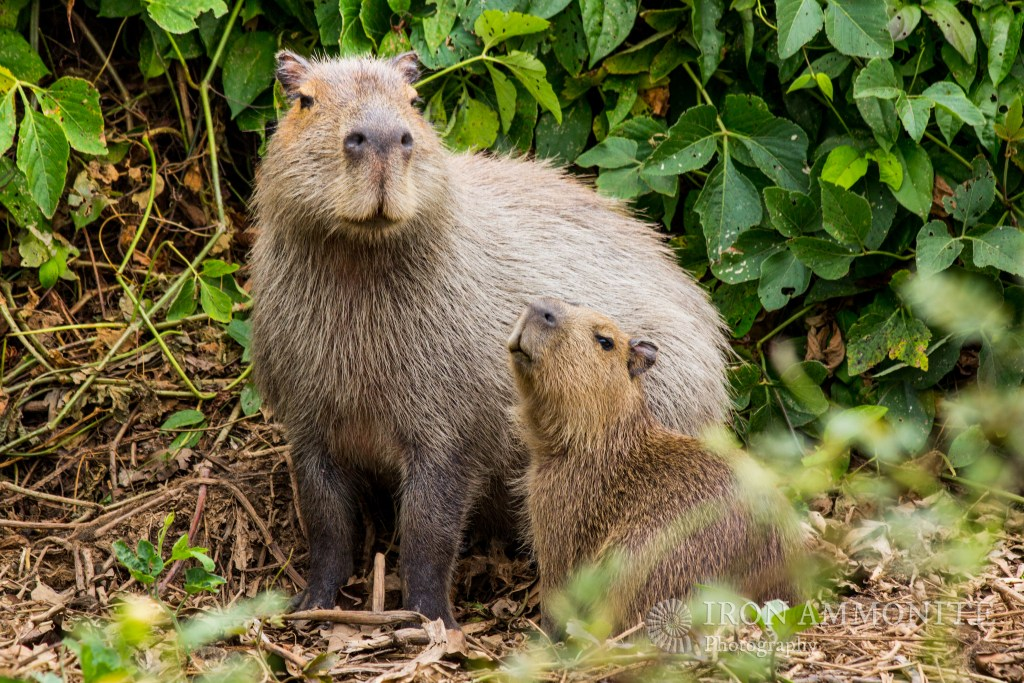
Cadibara: The Gentle Giant of South America
In the fast-moving world of wildlife and online culture, the term Cadibara has gained popularity across blogs, social media, and search engines. While many first encounter this word in memes, usernames, or viral content, it generally refers to the capybara, the largest rodent in the world. Over time, variations in spelling such as Cadibara have emerged, often influenced by digital culture, branding, or phonetic interpretation. Despite its evolving name, this remarkable animal is universally recognised for its gentle temperament, social intelligence, and unique adaptations to semi-aquatic life.
Its calm nature and communal lifestyle have made it a favourite subject in viral videos, artwork, and educational content. Furthermore, Cadibara serves as a symbol of harmony in nature, illustrating the importance of social bonds and environmental awareness in wildlife communities.
What Is a Cadibara
The term Cadibara is an online variation of the word capybara, referring to the same species scientifically known as Hydrochoerus hydrochaeris. Native to South America, Cadibaras are semi-aquatic rodents closely related to guinea pigs and rock cavies. Unlike smaller rodents, Cadibaras are known for their impressive size, calm disposition, and complex social structures.
The spelling Cadibara has become widely adopted in internet culture for its uniqueness, searchability, and playful sound. Many digital creators, meme enthusiasts, and bloggers use this variation to stand out online while still referencing the gentle giant of the wetlands.
Cadibara Physical Characteristics
Cadibaras are instantly recognisable due to their distinct body shape and features. They are the largest rodents in the world, with adults reaching lengths of 1.2–1.4 meters (4–4.5 feet) and weighing 50–65 kilograms (110–143 pounds). Despite their size, they are agile swimmers and surprisingly graceful on land.
Key Physical Traits Include
- Fur Coarse and brownish, helping them blend with wetland environments.
- Body Shape Barrel-shaped with short, sturdy legs.
- Feet Partially webbed, ideal for swimming and navigating marshes.
- Eyes, Ears, and Nostrils Positioned high on the head, enabling them to see, hear, and breathe while mostly submerged.
- Snout Rounded and blunt, giving a gentle, approachable appearance.
These adaptations not only make Cadibaras excellent swimmers but also enhance their survival in predator-rich environments. They can stay submerged for several minutes, which helps avoid threats from jaguars, caimans, and other predators.
Natural Habitat and Geographic Distribution of Cadibara
Cadibaras are native to South America, where they occupy a wide range of wetland-rich environments across countries including Brazil, Venezuela, Colombia, Argentina, Paraguay and beyond. These gentle giants thrive in ecosystems that offer both water and abundant vegetation, such as marshes and swamps, riversides and lakeshores, and flooded savannas or forest edges where food and shelter are plentiful. Water isn’t just part of their home it’s central to their survival.
Cadibaras are semi‑aquatic mammals that rely on water to drink, cool off, escape predators, and forage for their favoured aquatic plants and grasses. During dry seasons, herds may move long distances in search of permanent water sources, underscoring their deep dependence on aquatic landscapes.
Cadibara Social Structure and Behavior
Cadibaras are exceptionally social creatures, preferring the company of their herd over solitude. Typically, groups range from 5 to 20 individuals, though larger assemblies can form when conditions are favourable. Their social interactions are rich and varied: they communicate using whistles, clicks, barks, and purrs to maintain group cohesion and alert each other to potential dangers. Mutual grooming is common, strengthening bonds while also keeping their fur clean and healthy.
Remarkably, cadibaras display high levels of tolerance toward other species, often coexisting peacefully with birds, monkeys, and smaller animals, reflecting their empathetic and gentle temperament. Activity patterns show that they are most active during early mornings and evenings, resting in water or shaded areas during the heat of the day to conserve energy and regulate body temperature.
Diet and Feeding Habits about Cadibara
Cadibaras are strict herbivores, feeding on:
- Fresh grasses
- Aquatic plants and reeds
- Bark
- Fruits (seasonally)
To efficiently digest fibrous plant material, Cadibaras practice coprophagy, consuming specific droppings to extract additional nutrients. This natural behaviour supports their fibre-heavy diet.Feeding patterns vary with seasons. Wet periods offer abundant grass and plants, while dry seasons require longer journeys to find adequate food. Through their grazing habits, Cadibaras contribute to maintaining healthy wetland ecosystems.
Predators and Survival Strategies
Despite their impressive size, Cadibaras are vulnerable to several natural predators, including jaguars, pumas, caimans, and large birds of prey. Their primary defense strategy is water, instinctively fleeing to nearby rivers, lakes, or wetlands and submerging themselves to evade danger. Living in herds further enhances their survival, as multiple individuals remain vigilant, alerting the group to potential threats. Young cadibaras rely heavily on the protection of adults during their early months.
Mothers, along with older siblings, collectively nurture and safeguard the pups, demonstrating a remarkable cooperative social structure that strengthens both family bonds and the herd’s overall resilience.
Cadibara Reproduction Life Cycle
Cadibaras reproduce throughout the year, with breeding peaks often coinciding with the wet season when food is abundant. Their gestation period lasts approximately five months, resulting in litters of two to eight pups.
Remarkably, newborn cadibaras are relatively developed at birth, able to walk, swim, and nibble on vegetation within a short time. Parental care is primarily provided by mothers, but other group members occasionally assist, reflecting the species’ cooperative nature. As the young grow, they gradually learn essential social and survival skills, integrating into the herd and strengthening both social cohesion and overall survival rates.
Unique Traits of Cadibara
Cadibaras have evolved several unique traits that allow them to thrive:
- Webbed Feet Excellent swimming abilities for escaping predators and foraging.
- Semi-Aquatic Lifestyle: Spend significant time in water to regulate body temperature and avoid threats.
- Communication Skills Use vocalizations and body language to strengthen group bonds.
- Social Intelligence Cooperative herd living ensures protection, shared knowledge, and nurturing of young.
These traits, combined with their calm nature, have contributed to their popularity both in the wild and online.
Cadibara Cultural Significance
Cadibaras have garnered worldwide attention due to their calm, social, and photogenic behaviour. Viral content frequently showcases them relaxing in hot springs, grazing or resting peacefully alongside other animals, and lounging in groups under the sun.
The alternate spelling, Cadibara, has also become popular online, appearing in memes, merchandise, usernames, blogs, and digital branding. This trend highlights how the gentle nature of these rodents has not only captured the hearts of wildlife enthusiasts but also seamlessly merged with internet culture, creating a unique blend of education, entertainment, and digital engagement.
Conservation Status and Human Impact
While Cadibaras are not classified as endangered, they face significant pressures from habitat destruction caused by urbanisation and agriculture, pollution of water sources, and illegal hunting in certain regions.
To safeguard these gentle giants, conservation measures focus on protecting wetlands, riverbanks, and grasslands, as well as establishing wildlife reserves and protected areas. Educating local communities on sustainable coexistence, monitoring populations, and researching behaviour patterns are also essential strategies. Additionally, promoting responsible tourism and raising environmental awareness play a vital role in ensuring the long-term survival and well-being of Cadibara populations.
Fun Facts About Cadibara
- Largest rodent in the world, weighing up to 150 pounds.
- Capable of holding their breath underwater for up to five minutes.
- Highly social, forming strong family and herd bonds.
- Can peacefully coexist with other species such as birds and monkeys.
- Their gentle demeanor has made them viral stars in online culture.
Conclusion
The Cadibara is more than just a trending term; it is a remarkable species with gentle, social, and intelligent characteristics. From semi-aquatic adaptations to strong herd bonds, these rodents offer valuable lessons about community, cooperation, and coexistence.
Their presence online and in memes highlights the intersection of wildlife education and digital culture. Protecting Cadibara habitats, supporting conservation programs, and raising awareness about these gentle giants ensures they remain a vital part of South American ecosystems for generations to come.