Axurbain: Future of Smart and Sustainable Urban Living
Urban life is rapidly evolving. Cities worldwide face mounting challenges: overpopulation, traffic congestion, environmental stress, and housing shortages. At the same time, technological advancements, environmental awareness, and community expectations are transforming how urban spaces are designed and experienced. In this context, axurbain has emerged as a revolutionary concept redefining city living. More than a planning theory, axurbain represents a holistic vision of future cities where technology, sustainability, and human experience coexist harmoniously.
From smart infrastructure to green architecture and inclusive community spaces, axurbain combines multiple disciplines to create urban environments that are efficient, resilient, and human-centric.
Axurbain Definition and Meaning
The term axurbain combines axis and the French word urbain, symbolising the central idea of innovation at the heart of urban development. It is not an official urban planning doctrine but has emerged as a conceptual framework for the cities of tomorrow. Axurbain reflects a modern, integrated approach to urban living, aiming to create intelligent, sustainable, and connected environments that improve quality of life.
Unlike traditional city planning that treats infrastructure, transportation, housing, and public spaces as isolated elements, axurbain advocates for interconnected urban ecosystems. In these systems, traffic networks communicate with energy grids, buildings respond to environmental data, and public spaces encourage social interaction all while maintaining ecological balance.
Philosophy Behind Axurbain
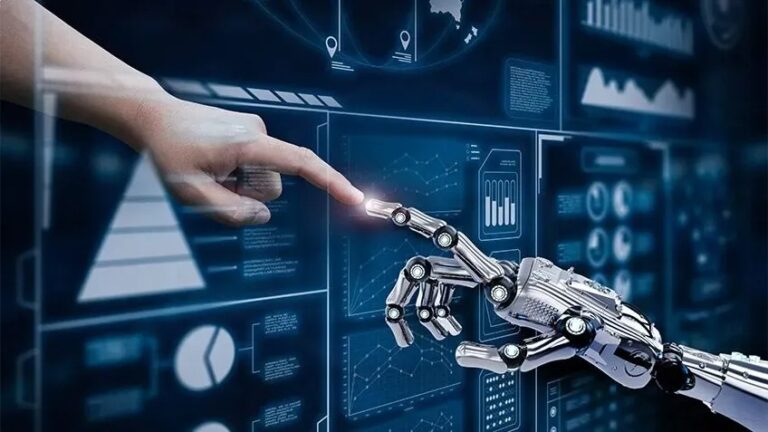
The core philosophy of axurbain is both simple and transformative: it envisions cities as living, adaptive systems that equally serve people, technology, and nature. Central to this vision are several key principles. Integration of technology ensures that cities employ advanced systems such as artificial intelligence, IoT devices, and real-time monitoring to optimise urban services and resources efficiently.
Sustainable design focuses on prioritising green architecture, renewable energy, and eco-friendly construction methods to reduce environmental impact and build resilient urban spaces. Human-centered planning emphasises walkable, inclusive cities designed to foster community, social interaction, and overall well-being. Finally, connectivity ensures that access to transportation, public spaces, and digital services is seamless and equitable for all residents.
Four Pillars of Axurbain Design
Smart Technology Integration
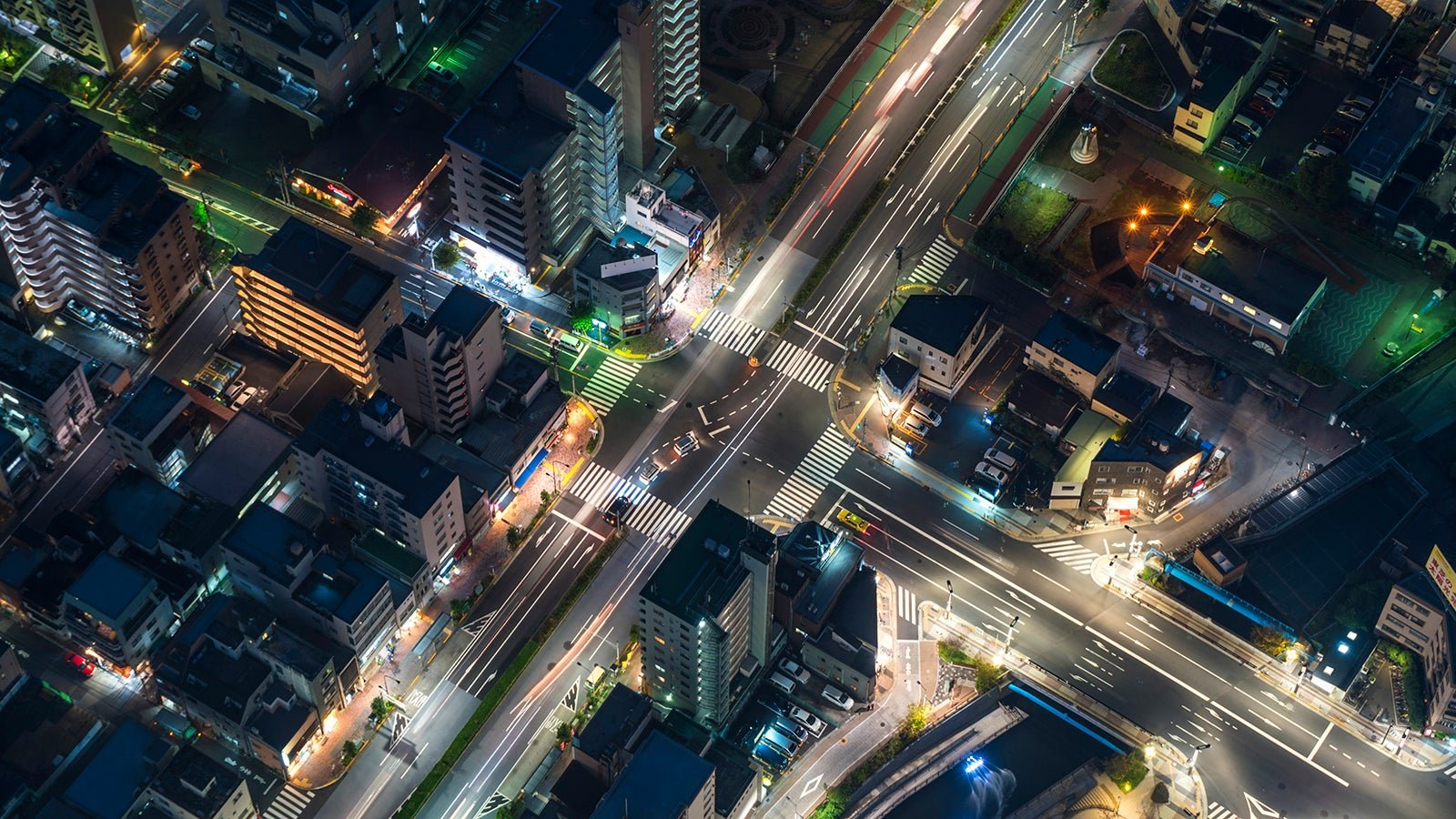
Technology forms the backbone of axurbain cities, acting as a practical tool rather than a luxury. Through the integration of IoT sensors, artificial intelligence, and real-time analytics, urban environments can operate efficiently and respond dynamically to challenges. For example, traffic management systems leverage AI to predict congestion and adjust traffic signals in real time, reducing commute times and emissions.
Waste management benefits from sensor-based monitoring, optimizing collection routes and reducing unnecessary fuel consumption and labor costs. In terms of public safety, surveillance networks are integrated with emergency services to enable rapid response to incidents.
Sustainability and Green Design
Environmental responsibility is central to the axurbain philosophy, shaping urban planning and architectural practices. Sustainable design strategies are implemented to minimize carbon footprints and enhance urban resilience.
Renewable energy sources, such as solar panels, power neighborhoods while reducing dependence on fossil fuels. Green infrastructure, including rooftop gardens, vertical greenery, and tree-lined streets, improves air quality, reduces heat islands, and supports biodiversity. The use of eco-friendly construction materials, like recycled metals and low-carbon concrete, ensures that buildings are durable without compromising environmental goals.
Human Centered Urban Planning
At the heart of axurbain is a focus on people. Urban design prioritizes residents’ physical, social, and psychological well-being by creating spaces that encourage interaction, accessibility, and a sense of belonging. Walkable streets and bike-friendly lanes reduce reliance on cars while promoting healthier lifestyles. Mixed-use developments integrate housing, offices, and commercial areas, reducing commuting times and fostering vibrant local economies.
Community-focused spaces such as parks, libraries, and co-working hubs provide opportunities for engagement, learning, and collaboration. Moreover, inclusive infrastructure ensures that public spaces and transportation networks are accessible to individuals with disabilities, promoting equity.
Connectivity and Accessibility
Efficient and equitable access is a cornerstone of axurbain, ensuring that all residents can navigate and benefit from urban systems seamlessly. Integrated public transport networks allow residents to move quickly across the city, while electric vehicle infrastructure and shared mobility services reduce congestion and carbon emissions.
Beyond physical mobility, digital services enhance civic engagement by providing residents with access to utilities, governance platforms, and real-time information. The design of streets and public facilities ensures universal accessibility, accommodating people of all socioeconomic backgrounds and physical abilities.
Architecture and Aesthetics in Axurbain
Buildings and public spaces in axurbain cities are functional yet artistic. The architecture combines environmental sustainability with modern aesthetics.
Common features include
- Open layouts maximizing natural light
- Geometric and nature-inspired design patterns
- Green facades and vertical gardens
- Mixed-use complexes reducing commuting and fostering local economies
The visual appeal of axurbain strengthens urban identity, blending tradition with innovation while enhancing public engagement.
Axurbain Technological Backbone
Axurbain harnesses the power of artificial intelligence to drive smarter, data-informed urban planning and enhance city efficiency. AI systems predict traffic patterns and dynamically adjust signal timings, reducing congestion and commute times. Energy usage data is continuously analysed to optimise electricity consumption, balancing supply and demand across the city. Waste collection routes are recalibrated in real time based on usage patterns, lowering operational costs and environmental impact.
Additionally, emergency services leverage AI-driven analytics to respond faster and more effectively to incidents, improving public safety. Within smart buildings, automated systems manage lighting, temperature, water usage, and energy monitoring, creating resource-efficient environments that reduce operational costs while enhancing comfort for residents.
Sustainability in Action
Sustainability forms the foundation of axurbain cities, guiding every aspect of urban planning. Initiatives such as rooftop gardens and urban forests improve air quality, reduce urban heat, and create natural sanctuaries for residents. The integration of renewable energy sources, including solar, wind, and geothermal systems, ensures that cities rely less on fossil fuels while maintaining energy efficiency.
Construction practices prioritise recycled and low-carbon materials, minimising environmental impact during development. Additionally, climate-resilient infrastructure is designed to withstand floods, heat waves, and other natural disasters, protecting both property and human life.
Lifestyle Benefits of Axurbain
Living in an axurbain city provides residents with a range of lifestyle advantages that blend convenience, comfort, and environmental responsibility. Efficient, compact housing reduces living costs while maximising usable space, making urban life more accessible. Integrated co-working spaces support modern work patterns such as remote and hybrid arrangements, reducing commuting stress and fostering professional collaboration.
Abundant green spaces and parks encourage outdoor activities, improving both physical health and mental well-being. Community-centric planning promotes social cohesion, allowing residents to connect, collaborate, and engage with one another. Overall, axurbain cities offer a lifestyle where efficiency, sustainability, and human-centric design converge, enabling residents to enjoy a modern, balanced, and fulfilling urban experience.
Industrial Legacy Axurbain Urban Furniture
Axurbain is also the name of a French urban furniture company based in Fabrègues. Founded in 2001, it specialized in metal urban furniture such as benches, planters, and barriers. Known for durability and modern design, it enhanced public spaces across France. In 2023, the company merged with Agora Mobilier Urbain, ensuring continuity of its design expertise while expanding market reach.
This industrial legacy demonstrates how the axurbain philosophy extends from conceptual urban planning to tangible, functional urban elements.
Challenges in Implementing Axurbain
Despite its potential, axurbain faces practical challenges:
- High investment costs for sustainable and smart infrastructure
- Data privacy concerns with extensive digital integration
- Policy and regulatory coordination across municipal agencies
- Affordability to ensure access for all residents
Addressing these challenges is essential to fully realise axurbain’s vision.
Axurbain vs Traditional Smart Cities
While smart cities often prioritise technology, axurbain integrates three pillars equally:
- Technology
- Sustainability
- Human centered design
This holistic approach ensures balance, offering a more comprehensive and resilient urban model.
Future of Axurbain
With urban populations growing and climate pressures intensifying, axurbain provides a roadmap for sustainable urban development. The integration of AI, renewable energy, green architecture, and human-centric design ensures cities are adaptive, resilient, and inclusive. Future axurbain cities will likely feature:
- Fully connected infrastructure
- Eco-friendly and energy-efficient buildings
- Accessible public spaces fostering social interaction
- Proactive urban management using data intelligence
The philosophy represents a proactive, future-focused alternative to traditional urban planning.
Conclusion
Axurbain represents a paradigm shift in urban living. By combining sustainability, technology, and human-centered design, it envisions cities where people, nature, and infrastructure coexist in harmony. From smart buildings to green rooftops, walkable streets, and community spaces, axurbain offers a blueprint for cities that are not only functional but also vibrant, resilient, and inclusive.
As urban challenges continue to grow, the axurbain framework will guide cities toward a sustainable and connected future, making it a cornerstone concept in the evolution of modern urban life.