
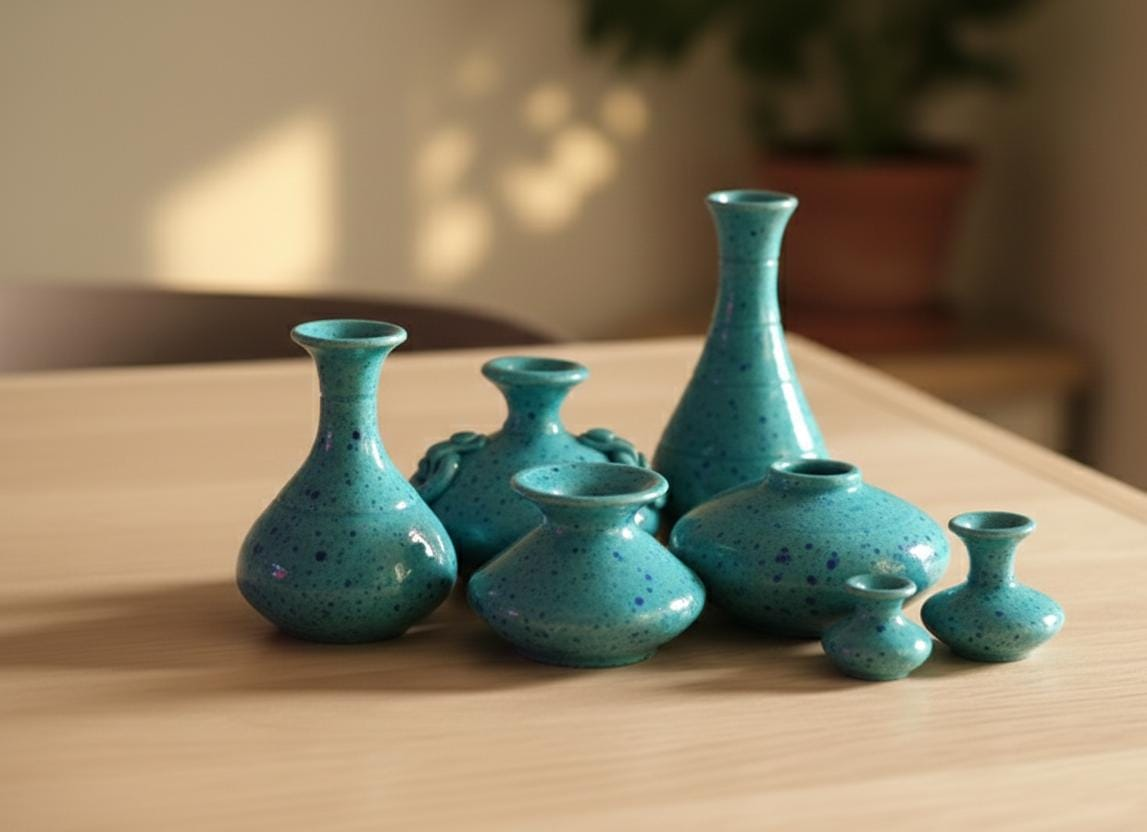
In the world of material science, innovation often lies at the intersection of tradition and technology. Sodiceram exemplifies this by combining the timeless strength of ceramics with modern engineering techniques enhanced by sodium-based compounds. Unlike traditional ceramics, which often suffer from brittleness, high porosity, and vulnerability to thermal shock, it provides enhanced durability, chemical resistance, and structural stability. It is a material that has been carefully engineered for modern applications, ranging from architecture and interior design to industrial manufacturing.
Its versatility allows designers and engineers to create structures and surfaces that are not only functional but also visually striking. Furthermore, Sodiceram’s long-lasting properties make it a sustainable choice, reducing the need for frequent replacements and lowering the environmental impact over time.
Origins and Evolution of Sodiceram
The development of Sodiceram is rooted in 20th-century ceramic research, where artisans and engineers sought to overcome the limitations of conventional ceramics. Traditional ceramics although aesthetically pleasing, often cracked under stress, were susceptible to chemical damage, and lacked thermal stability for industrial applications.
Sodiceram emerged as a solution by incorporating sodium compounds into the ceramic matrix, improving its mechanical properties and thermal resilience. Over decades, scientists, engineers, and industrial partners have developed Sodiceram through research, technological advancement, and collaborative innovation, balancing its artisanal heritage with modern engineering techniques. Today, industries worldwide recognise Sodiceram as a premium ceramic material that performs in extreme conditions while offering versatile design options.
Composition and Material Science Behind Sodiceram
At the heart of Sodiceram’s performance is its unique sodium-infused composition. Traditional ceramics rely primarily on clay, silica, and alumina. In contrast, Sodiceram integrates sodium compounds during high-temperature firing, creating a denser, stronger, and more thermally stable material.
Key Components
- Sodium-based additives Act as fluxing agents during firing, improving particle bonding and reducing porosity.
- Ceramic base Silica, alumina, and other minerals form a durable structural foundation.
- Controlled microstructure Ensures even distribution of compounds, preventing weak points.
- Advanced firing techniques High-temperature kilns followed by controlled cooling enhance strength and thermal resistance.
This careful engineering allows Sodiceram to resist cracking, thermal shock, and chemical exposure while maintaining a smooth, aesthetically versatile surface suitable for both industrial and decorative applications.
Unique Properties of Sodiceram
Sodiceram stands out because it combines multiple performance features that conventional ceramics often lack:
- Mechanical Strength The sodium-enhanced structure ensures high resistance to impact, stress, and wear, making it ideal for heavy-use surfaces and industrial environments.
- Thermal Stability Sodiceram can withstand rapid temperature changes without cracking or deforming, ideal for high-heat industrial processes and kitchen surfaces.
- Chemical Resistance Its dense structure prevents corrosion from acids, alkalis, and other chemicals, making it suitable for industrial flooring, chemical plants, and laboratory applications.
- Low Porosity Reduced water absorption enhances hygiene, durability, and long-term stability, making ideal for bathrooms, kitchens, and industrial settings.
- Design Flexibility Available in tiles, panels, coatings, and custom components, Sodiceram allows designers to create visually stunning yet functional environments.
- Sustainability With a long lifespan and reduced maintenance, Sodiceram reduces the need for replacements, making it an environmentally responsible material choice.
Manufacturing Process of Sodiceram
The production of Sodiceram seamlessly merges traditional ceramic techniques with modern material science, resulting in a material of exceptional quality and performance. The process begins with the careful selection of high-purity clays, silica, alumina, and sodium compounds, ensuring consistency and reliability in the final product.These raw materials are then blended in precise ratios, allowing sodium to distribute evenly and strengthen the ceramic matrix, reducing weak points and enhancing durability.
Once mixed, the material is shaped using methods such as pressing, casting, or extrusion, tailored to the intended application whether tiles, panels, or structural components. High-temperature firing follows, during which sodium acts as a fluxing agent, promoting optimal particle fusion and vitrification. Finally, controlled cooling prevents thermal shock, while polishing, glazing, or additional surface treatments refine both appearance and usability. This meticulous, multi-step process ensures minimal defects, high consistency, and superior performance, firmly distinguishing Sodiceram from conventional ceramics.
Applications of Sodiceram Across Industries
The versatility of Sodiceram has made it highly sought-after across multiple sectors, demonstrating its unique blend of durability, functionality, and aesthetic appeal. In architecture and construction, used for flooring and wall tiles that can withstand high traffic and harsh weather conditions, as well as cladding and façades for modern buildings that demand both strength and design flexibility. It also serves as heat-resistant surfaces in kitchens and industrial environments, offering reliable performance under extreme conditions.
In interior design, Sodiceram enhances countertops, decorative panels, and furniture surfaces, with designers taking advantage of its customizable colors, patterns, and textures to achieve contemporary and visually striking aesthetics. Industrial and technical applications benefit from resilience, with use in chemical plant linings, protective coatings, heavy-duty factory floors, and heat-tolerant components for kilns, furnaces, and other manufacturing processes.
Comparison Sodiceram vs Traditional Ceramics
| Feature | Sodiceram | Traditional Ceramics |
| Mechanical Strength | Very High | Moderate |
| Thermal Stability | Excellent | Low |
| Chemical Resistance | High | Moderate |
| Porosity | Low | High |
| Design Flexibility | Wide | Limited |
| Maintenance | Low | High |
Sodiceram’s superior performance explains why industries increasingly prefer it over traditional ceramic options.
Sustainability and Environmental Impact
Sustainability is increasingly critical in modern material selection. Sodiceram aligns with eco-friendly goals by
- Reducing energy consumption during firing thanks to sodium’s fluxing properties.
- Minimising waste with longer product lifespan and fewer replacements.
- Using recyclable materials where possible.
- Supporting green building initiatives with durable, low-maintenance products.
Its combination of longevity and reduced environmental impact makes a responsible material choice for designers and builders.
Innovation and the Future of Sodiceram
Sodiceram continues to evolve in response to emerging trends in architecture, industrial design, and sustainable manufacturing, expanding its applications across diverse sectors. In smart buildings, advanced ceramic coatings enhance durability and energy efficiency, while industrial robotics and machinery benefit from heat and chemical resistance, ensuring reliable performance under demanding conditions. The material also plays a vital role in renewable energy infrastructure, providing chemical-resistant linings for solar panels, battery components, and other critical systems.
Looking ahead, the brand’s global expansion strategy includes entering emerging markets, partnering with skilled artisans, and integrating cutting-edge production technologies, reinforcing Sodiceram’s position as a leader in high-performance, sustainable ceramic solutions.
Choosing the Right Sodiceram Product
Selecting the correct Sodiceram material depends on:
- Environment and Usage Consider heat exposure, chemical contact, foot traffic, or industrial wear.
- Thickness, Density, and Finish Denser ceramics provide more strength but may require special installation methods.
- Installation Requirements Special adhesives, expansion joints, and professional installation may be necessary for optimal performance.
- Cost vs. Value While Sodiceram can be more expensive upfront, its long-term durability reduces maintenance costs and replacements, making it a smart investment.
Conclusion
Sodiceram is a next-generation ceramic material that blends tradition, science, and design innovation. Its sodium-infused composition offers unmatched strength, thermal stability, chemical resistance, and durability, making it ideal for residential, commercial, and industrial applications.
Beyond performance, it is sustainable, eco-friendly, and versatile in design, ensuring long-lasting aesthetic appeal. As industries and designers increasingly demand materials that combine reliability, beauty, and sustainability, Sodiceram is poised to become a standard in modern ceramics.








Leave a Reply